Insights on Construction Technology and Site Visibility
Items in view: 2
Showing items 1 to 3 of 6

All Programming is Web Programming � Evercam.js v1.0 is live !
Maybe Jeff Atwood is right? All Programming is Web Programming?
While we started out with Node.JS, Java and Python libraries, most of the popular use cases seem to be for our JavaScript library. That�s why we�re particularly pleased to be launching today out of beta, our version 1.0 of Evercam.js
The library itself can be found here: http://cdn.evercam.com/js/v1/evercam.js (NB. We�re planning on using the /v1/ directory to always contain the latest version of our file that remains backward compatible. The file itself will be constantly evolving as we�re deploying new functionality on an almost daily basis right now �.)
And the open-source Github resource is here: https://github.com/evercam/evercam.js

Our first app is on the way � just as soon as we�ve ploughed this field.
While working on our first app � The Timelapser � we managed to catch some nice footage of a field being ploughed in Wicklow.
Every dream starts somewhere, and right now we�re working away to make Evercam into The App Store for video streams � one app at a time.
Stay tuned for the launch of Timelapser � coming soon to a camera near you.
5 Ways of Full Video Recordings Benefit Risk and Insurance Management on Construction Sites
Construction sites can be hazardous, unpredictable environments that can lead to accidents, injuries, or fatalities. In fact, according to OSHA, the "Fatal Four" causes of fatalities in the workplace are falls, electrocutions, struck-by-object incidents, and caught-in/between incidents.
These accounted for 59.9% of construction worker deaths in 2017. The financial consequences of safety incidents in construction can be significant, with the average cost of a "fall from a height" incident being $112,000.
America’s safety advocate the National safety council gives an extensive breakdown of the financial implications of work injury as follows:
- The total cost of work injuries in 2021 was $167.0 billion, which includes wage and productivity losses, medical expenses, administrative expenses, employers’ uninsured costs, and property damage costs.
- The cost per worker in 2021 was $1,080, which represents the value of goods or services each worker must produce to offset the cost of work injuries.
- The cost per medically consulted injury in 2021 was $42,000, while the cost per death was $1,340,000.
- The total days lost due to work injuries in 2021 were 103,000,000, which includes days lost from injuries that occurred in 2021 and previous years, as well as future years from 2021 injuries.
An effective risk management strategy and safety program is crucial for construction companies to mitigate these risks and financial losses. Full video recordings are one such strategy that can provide a comprehensive record of all activities taking place on construction sites, helping to identify potential risks and hazards.
By monitoring compliance with health and safety regulations, capturing every second of construction site activity in 4k video improves overall transparency and accountability on-site operations.
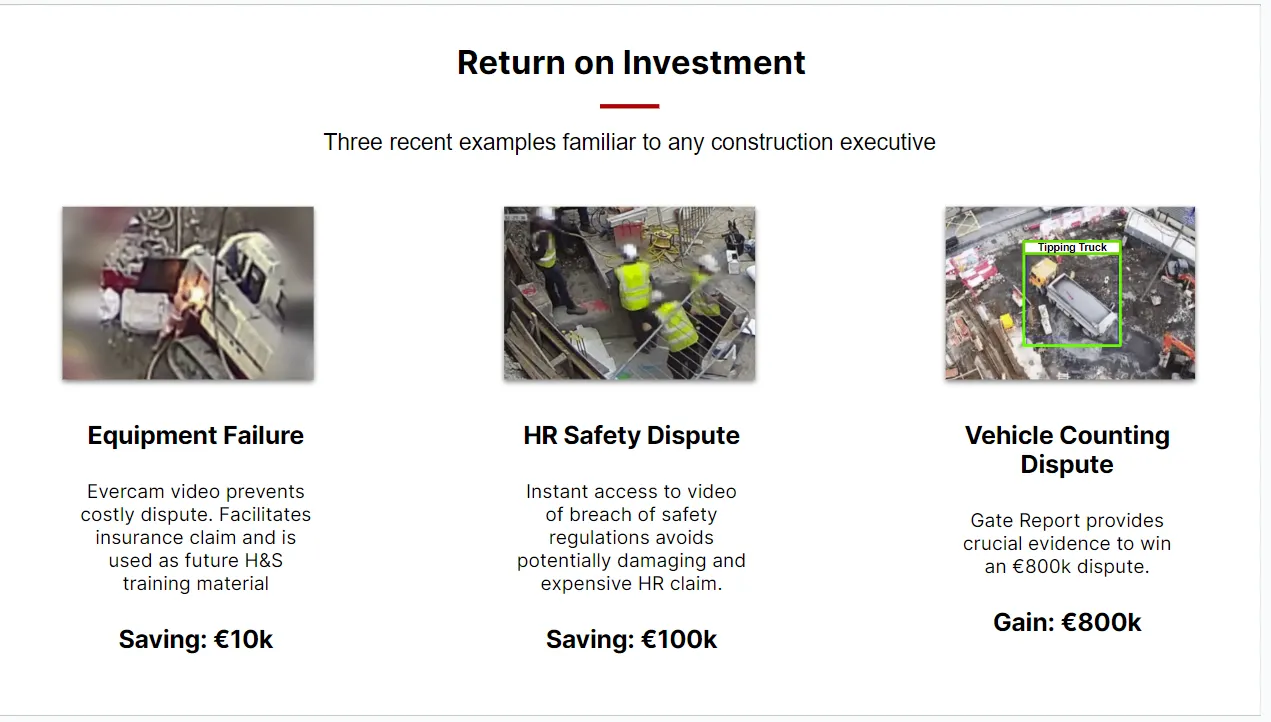
Evercam offers full video recordings as one of its features to help construction companies manage risks and reduce incidents, and costs related to insurance. Here are some of the benefits of using Evercam's full video recordings:
1. Remote Safety Monitoring & Inspections
The features provided by Evercam, such as real-time visibility across all job sites and the ability to perform remote safety inspections in real time, can greatly aid in risk management. By having access to live feed images capturing activity on all projects in one centralized location, safety personnel can quickly identify potential safety hazards and take necessary precautions to mitigate risks.
The edit tool's ability to mark up safety violations and communicate with on-site staff via Procore integration can help to prevent safety incidents before they occur. This feature allows for the quick and easy creation of annotations or tags on the model to highlight important information such as restricted or dangerous areas, enabling on-site teams to follow safety protocols 24/7.
These features enable safety personnel to perform remote safety inspections in real-time on all their job sites via live feed images capturing activity on all projects in one centralized location. This feature can help reduce travel time, enable better preparation for on-site loss control inspections, provide feedback and document the actions taken, and ensure on-site teams are following safety protocols 24/7.
2. Incident Review & Documentation
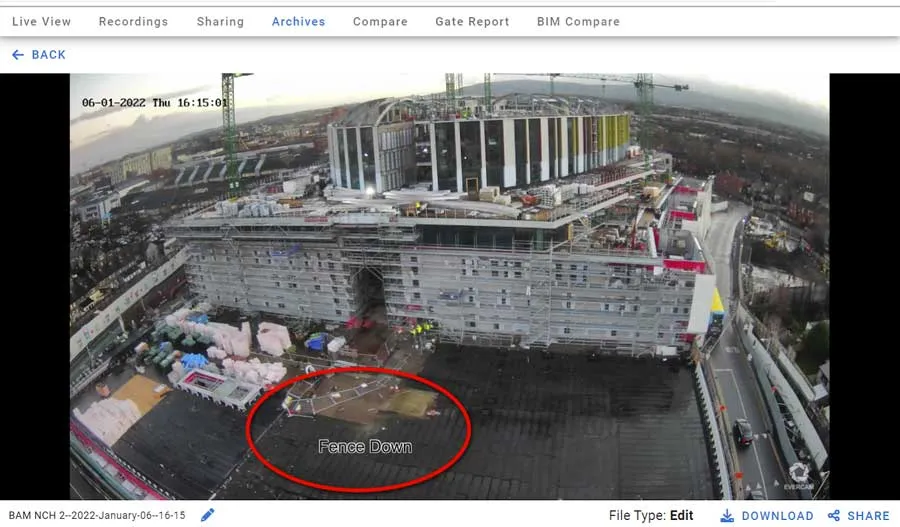
With Evercam's full video recordings, incidents are immediately visible, and users can request video archives to review incidents in detail. By leveraging this feature, companies can avoid costly job site shutdowns that can result from incidents, such as accidents or safety violations. The ability to quickly determine the cause of an incident and document it using 4k video documentation can help ensure that remediation is implemented promptly, reducing the likelihood of future incidents.
Moreover, having access to full-frame rate recordings (8 frames/sec) of an incident can provide a wealth of information to analyze and determine the root cause of the issue. This information can then be used to develop targeted risk mitigation strategies that address the specific issues identified in the incident review.
3. Claims Documentation & Submittal
Evercam's cloud recording and full frame rate 4k video feature provide the ability to submit insurance claims with high-quality video evidence. This feature also includes weather reporting, which can be used to prove weather delays.
The benefits of this feature include financial benefits from the insurance company for "50% deductible claims accompanying video clips," expediting the claims process, understanding the cause of the incident, and proving that the incident occurred. The visuals and data can also be used to validate delays caused by unforeseen conditions like weather, earthwork, etc.
4. Enable Continuous Improvement & Safety Training
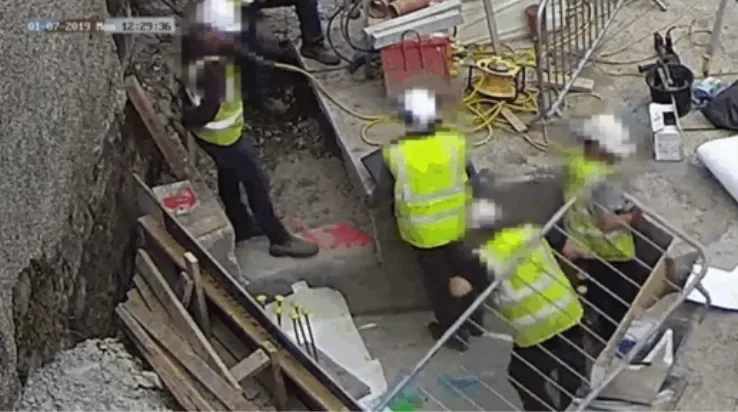
Safety training is a critical aspect of managing construction risks, but it can be challenging to create engaging and effective safety training programs that resonate with employees and effectively communicate safety procedures. Evercam's video editing team can help create internal training videos based on real footage captured on job sites, showcasing examples of safety risks and hazards and demonstrating best practices to mitigate them.
These videos can provide a comprehensive and detailed overview of the potential hazards and risks associated with specific tasks or work environments. They can also offer practical instructions and guidelines on how to identify and mitigate these risks.
Having a dedicated customer success manager (CSM) is an additional advantage in risk analysis and mitigation, and this is a service that Evercam offers. Their unlimited user training and set-up to complement existing health and safety workflows can ensure that employees are adequately trained and equipped to identify and report potential hazards. They also provide ongoing support and guidance to help teams identify and address any safety concerns that arise.
The edit tool can further aid in risk analysis and mitigation efforts by allowing teams to mark up images and proactively communicate safety protocols, instructions, and violations with on-site staff. This tool can help identify potential hazards and violations before they become significant problems and ensure that corrective actions are taken promptly.
The advantage of this feature is that it can help enable the safety team to use Evercam to drive behavioural change, ultimately driving company-wide behavioural change related to safety measures via a process of visual information for continuous improvement.
5. Fraud Prevention

Insurance fraud is a prevalent issue in the construction industry, and false claims can lead to financial losses and higher premiums for construction companies. However, full video recordings can help prevent fraudulent activities by providing concrete evidence of events on the construction site. For instance, if an employee reports a slip and fall accident that never happened, the video footage can provide irrefutable evidence that the incident was staged.
This transparency makes it challenging for individuals to falsify information or stage accidents, ultimately safeguarding the interests of insurers and construction companies. By leveraging full video recordings to deter fraudulent activities, construction companies can avoid financial losses and ensure their insurance policies remain cost-effective.
Full video recordings enable investigation of the incident & determine the cause(s).
In conclusion, full video recordings have become an indispensable tool for managing risks and enhancing insurance efficiency on construction sites. By providing real-time insights into construction activities, identifying potential hazards, and streamlining the insurance claims process, full video recordings are transforming the construction industry. As construction projects continue to grow in size and complexity, leveraging full video recordings will become increasingly crucial in managing risks and ensuring the success of projects.
If you are looking for a reliable full video recording solution for your construction site, Evercam offers a range of AI-integrated cameras and software for reality capture and remote monitoring. Contact us today to learn more about how we can help enhance safety, improve project efficiency, and streamline insurance claims processing on your construction site.
Construction Magazine Feature Evercam Health & Safety Tool
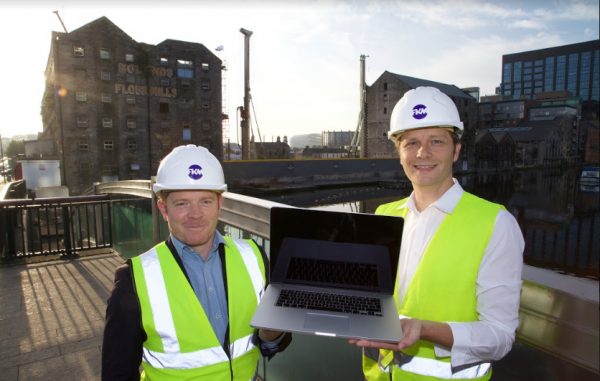
The May June 2017 issue of CIF Construction Magazine features Evercam Case Study and looks into the multiple ways that cameras can improve site safety as health & safety tool.
Onsite CCTV as a Health & Safety Tool
Contractors are increasingly using video technology for a range of reasons. Traditionally, video cameras served security functions, but more recently, health and safety compliance and marketing opportunities have driven wider adoption across construction sites.
Time-lapse footage of major projects has become common across the industry. A more recent development is the use of live video feeds to support site safety and operational oversight. Construction camera footage provides teams with visual records that can be reviewed to understand incidents, near-misses, and on-site behavior.
From a safety perspective, having access to recorded footage allows project teams to review events after an incident occurs and demonstrate what happened. This supports corrective action and helps prevent similar incidents in the future.
Case Study: Evercam Site Safety Camera in Operation
The Construction Magazine feature includes a case study of Evercam’s system in operation on a Stewart Construction site on Harcourt Road, Dublin. The system was installed to provide a detailed view of the build and to demonstrate the end result of the project.
According to Stewart Construction, the ability to review footage helps reinforce safe behavior on site. Workers are aware that activity is monitored, which encourages adherence to safety protocols. In the event of an incident, the footage allows teams to review events accurately and address issues proactively.

Construction Site Safety: How Fixed-Position Cameras Improve Jobsite Operations
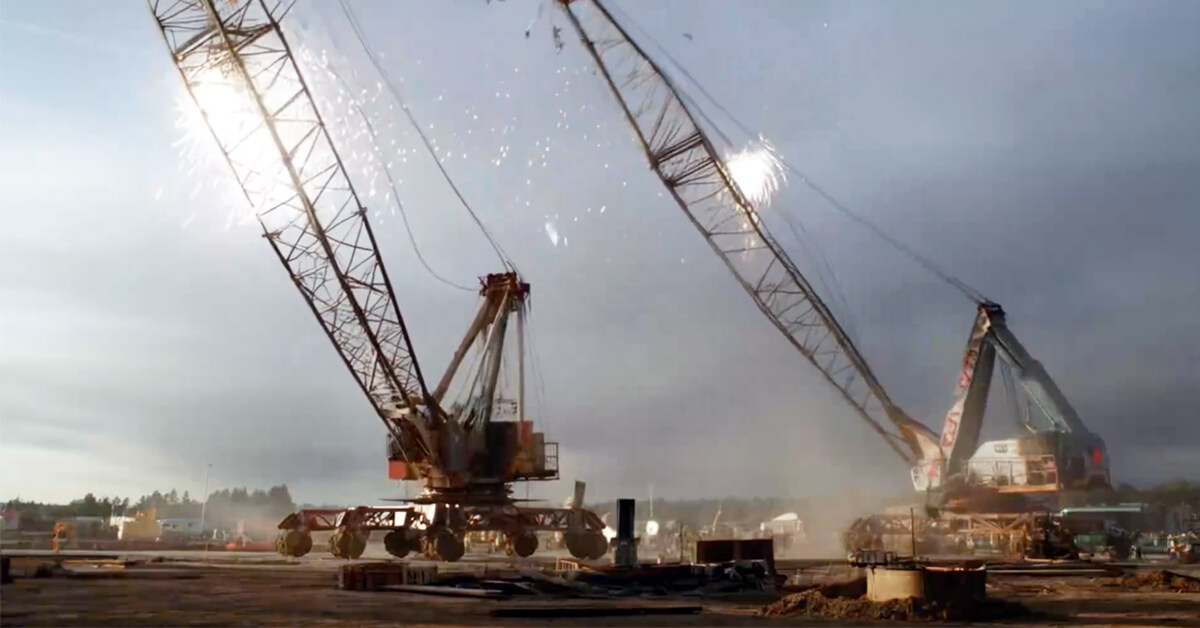
Construction safety is inseparable from operations. It is the daily effort of protecting workers from incidents and protecting the public through perimeter control, clear visibility and fast response when something goes wrong.
Fixed-position cameras help because they reduce uncertainty. They give teams a consistent view of what is happening now, what happened earlier and what changed over time, without adding friction to the job.
Evercam fixed-position cameras are built for long-term site monitoring in 4K+ resolution, with a 110° horizontal field of view and long-range coverage up to 100 meters, including harsh conditions.
Why fixed-position cameras matter for safety (not just security)
When safety breaks down, it is often because teams cannot:
- verify conditions in high-risk zones without sending people in
- see a developing issue early enough to intervene
- reconstruct events when accounts conflict
- document what happened in a consistent way for internal review and learning
Fixed-position construction cameras support remote site monitoring, jobsite visibility, incident documentation, near-miss prevention and safety compliance by providing a reliable visual record that teams can reference throughout the project.
And when you need the bigger picture, Evercam’s Timeline provides a searchable timeline of your entire project, with no gaps.

8 real project examples of safer operations with Evercam
These examples reflect common challenges in large-scale construction projects, especially in data centers, renewables and mission-critical builds.
1) Incident investigations without assumptions
Real project example: A Director of Health & Safety needed to review incidents where different people had different accounts of what happened. Footage clarified the sequence of events so the team could focus daily safety huddles on specific contributing factors and safer practices.
Operations takeaway: Clarity improves the quality of corrective action and learning.
2) Compliance verification near sensitive boundaries (aviation risk)
Real project example: On a project near an airport, crane height limits required ongoing attention. The team used live view to monitor crane activity and recordings to verify movements when questions came up later, creating a clear internal audit trail.
Operations takeaway: Compliance gets easier when verification is routine, not reactive.
3) Restricted-zone oversight without putting people in harm’s way
Real project example: A project had a hazardous bowl area with tensioned wires and restricted access. Cameras gave the team “eyes inside” the space so they could manage the zone remotely without unnecessary entry.
Operations takeaway: High-risk zones should be observable without requiring exposure.
4) “Open the site without being on the site” (daily remote monitoring)
Real project example: A Project Manager needed simple, daily visibility without complex workflows. They relied on live view for constant monitoring as a practical substitute for physical presence.
Operations takeaway: Adoption sticks when the workflow is effortless.
5) A safety tool that starts as “documentation” and becomes operational
Real project example: A team initially treated cameras like a marketing or documentation tool. As site constraints tightened, the platform shifted into a core operational safety and visibility system, especially for managing restricted areas.
Operations takeaway: The best safety tech earns its role by solving today’s problem, not by promising tomorrow’s.
6) Stopping a near-miss while it is still a near-miss
Real project example: A supervisor spotted a subcontractor cutting material without proper hand protection in live view. The risk was addressed immediately and the crew adjusted behavior once the footage made the gap clear.
Operations takeaway: Real-time visibility shortens the time between risk and correction.
7) End-of-day checks that prevent after-hours safety issues
Real project example: A site team built a habit: before leaving, someone checked the live view to confirm no workers were still inside the work zone.
Operations takeaway: Small routines can eliminate surprisingly serious failure modes.
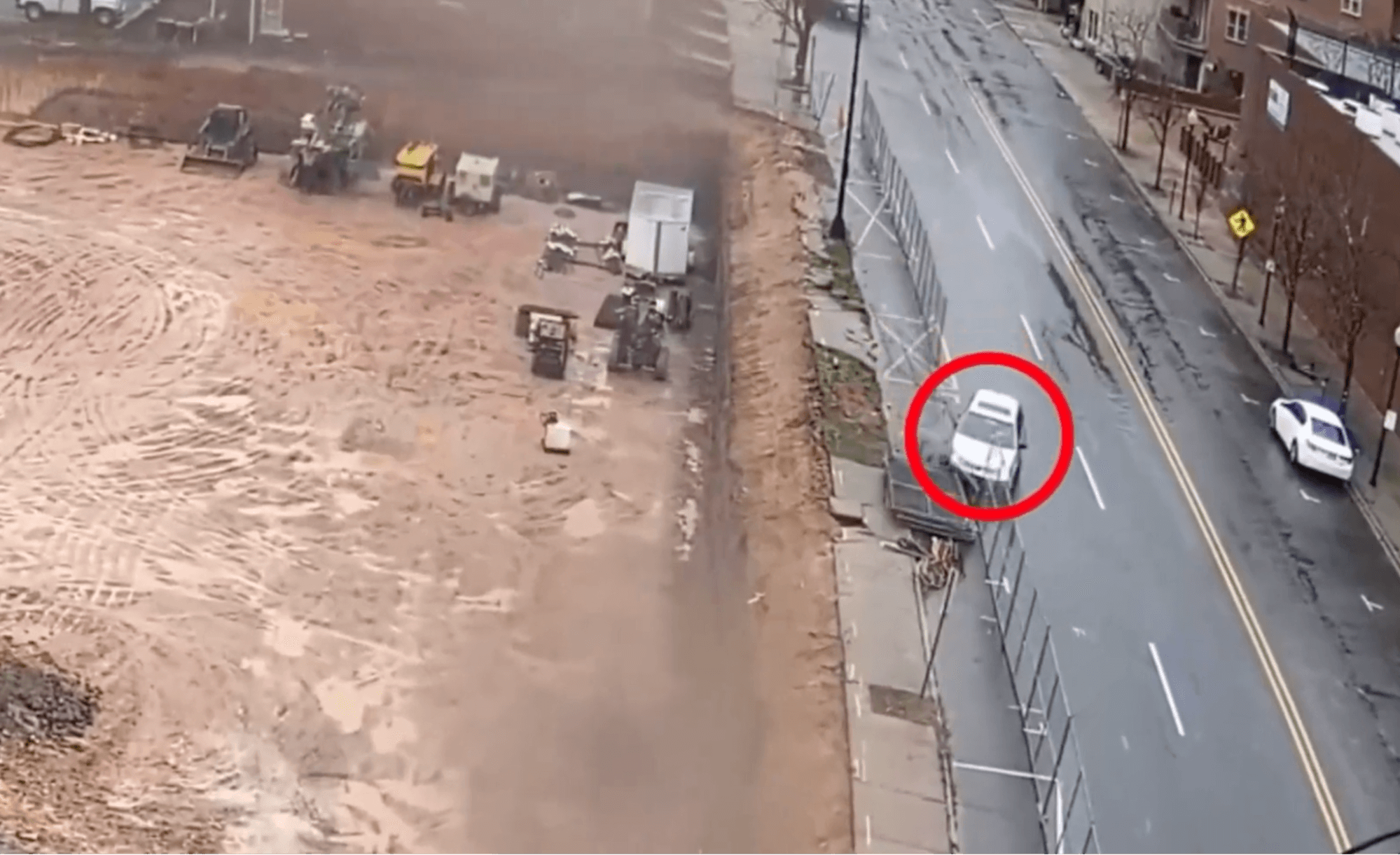
8) Vehicle and equipment incidents with clear context
Real project example: A vehicle incident created conflicting witness statements. Footage from Evercam’s Gate Report helped the team confirm what happened so they could focus on practical follow-up and awareness.
Operations takeaway: Fewer debates means faster improvement.
How to improve jobsite safety with Evercam: a practical ops playbook
1) Map your risk zones first
Start with places where visibility changes decisions:
- public interface + perimeter
- delivery routes + traffic pinch points
- lifting zones + equipment travel paths
- restricted-access areas
- after-hours exposure points
2) Place cameras for decisions, not aesthetics
Optimize for:
- stable, wide coverage of entrances and boundaries
- clear sightlines into high-risk zones
- reference points that help verify conditions consistently
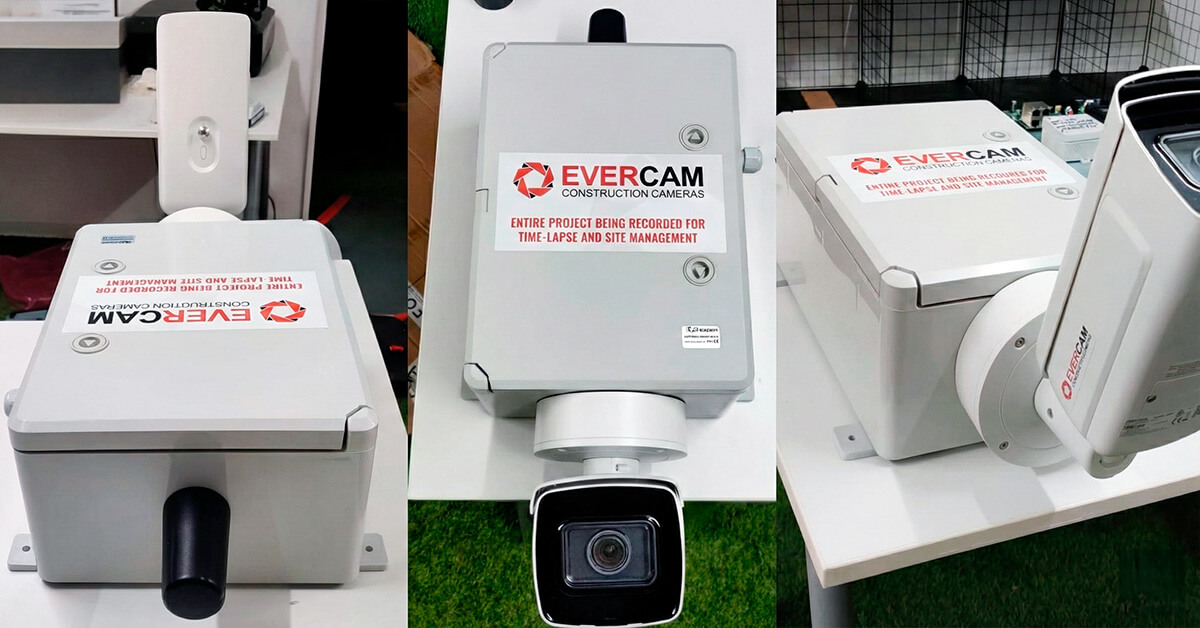
Evercam’s fixed-position cameras are designed for long-term capture from start to finish, including progress documentation and investigations. Learn more in our Installation Guide.
3) Set permissions and sharing rules early
Safety improves when the right people can see what they need without over-sharing:
- define who has day-to-day access
- establish how clips are shared internally
- keep review consistent so learning compounds
4) Use Timeline to connect safety moments across the whole job
Incidents and near-misses rarely live in isolation. Timeline helps teams review the project as a continuous record: a searchable timeline of your entire project, with no gaps.
5) Turn incidents into training that sticks
When you can create short internal “lesson” clips from real conditions, training becomes grounded in your site's reality, not generic examples. (From your later insight list #25)
Real ROI
Construction teams using Evercam report measurable time and cost savings across every project phase:
Site Visits Avoided Remote visibility eliminates unnecessary trips. Teams report 20–80% fewer site visits, saving 25+ hours per month and $2k+ per avoided trip. Suncode saved 80% in site visits. Shell Vito avoided 30+ trips during commissioning.
Schedule Recovery Video evidence accelerates critical path decisions. Projects recover 7–15 days on average when disputes are resolved with timestamped proof instead of conflicting accounts. ST Telemedia Philippines cut crane assembly time by 57%—from 7 days to 3 days.
Safety & Compliance Documentation prevents costly claims and speeds incident investigations. Teams save 25+ hours per incident review and avoid payouts ranging from €30k–€200k per project. Barnhill avoided a €31k workers comp claim. OHLA saved €200k in claims defense costs.
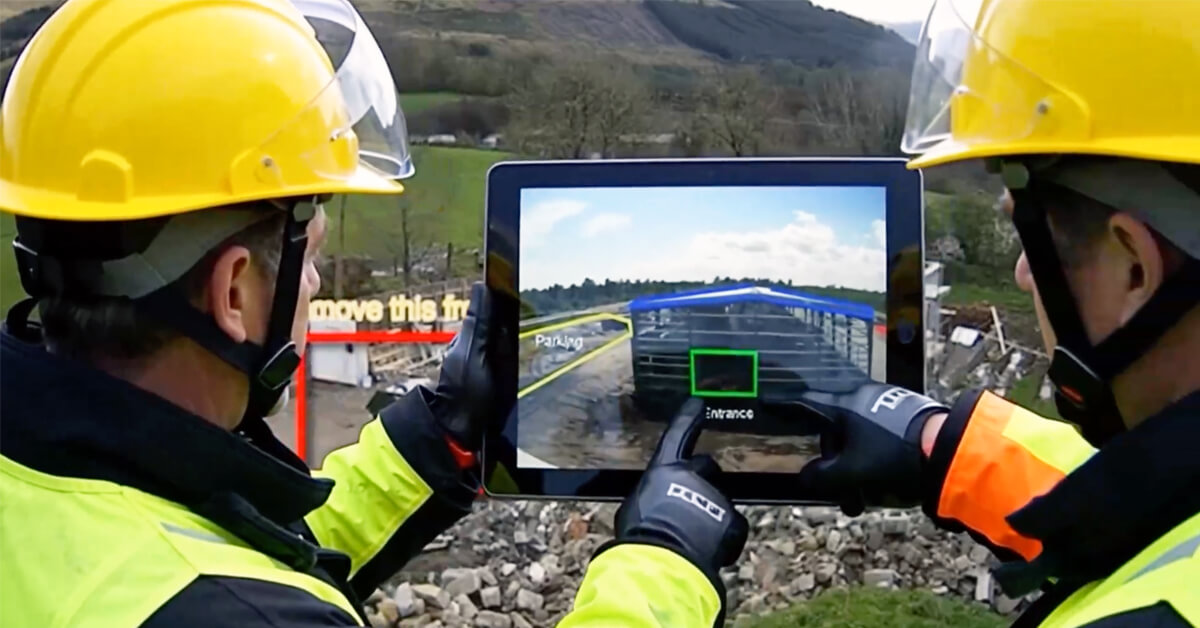
Why this matters for US builders in data centers, renewables and mission critical construction
These sectors demand strict safety controls, rapid coordination and clear visibility across distributed teams.
These projects move fast, carry heavy coordination overhead, and often operate under stricter controls. Fixed-position cameras and reality capture help safety leaders and PMs keep work legible across distance and time, especially when teams are distributed.
For a visibility-focused example in a complex US industrial context, Evercam’s Shell case study describes improved visibility across multiple locations and a reduction in site visits through visual documentation.
Next steps
If you are responsible for safety outcomes and operational flow, fixed-position cameras can give you a simpler way to verify conditions, document incidents and reduce avoidable risk.
- Explore Fixed-Position Cameras
- Read the Shell Case Study
- See Evercam’s Connectors
The Future of Construction Software: Visual Infrastructure as Truth
At Evercam, we believe that all construction will be collaborative. But what does that mean for the software systems that we use?
Like anything, it starts with the people building that software. We are fortunate to have great builders and leaders who employ the spirit of collaboration daily, like our own Shannon Keeler Brown. A recent conversation with leading healthcare tech voice Brendan Keeler, led her down the rabbit trail to answer the question: What happens when construction software stops relying on humans to tell it what's happening?
This post is from Shannon Keeler Brown, Chief of Staff at Evercam. Shannon brings a unique perspective on construction technology, bridging the gap between operational workflows and emerging software infrastructure. In this piece, she explores how visual data is shifting from documentation tool to foundational primitive in the construction tech stack.
From Human Error to Ground Truth: Rebuilding Construction's Infrastructure
The last generation of construction tech digitized plans. The generation we're living in now is digitizing reality.
The race is on to bring plans and reality together into a single view. Today, answering "Is the slab pour on schedule?" means digging through P6, Procore, and a dozen folders. Soon, you'll just ask the system one thing: 'Show me.' And you'll get one, unified answer.
When those two finally converge, that’s when construction productivity will finally take off. In the scramble to get there, some companies will merge and scale, while others will be absorbed by Procore or Autodesk.
But to understand the future, we have to look at the past. The spark for this thinking came from outside construction. My brother, Brendan Keeler, writes about healthcare tech, and his piece, There Will Be Bundling, explains a universal pattern. He describes how every system of record eventually creates gravity—for workflows, integrations, and wallet share. Once that gravity forms, the system doesn’t die. It absorbs.
That’s exactly what happened in construction with Primavera P6. For decades, it has been the center of gravity that contracts, payments, and coordination orbit around.
So that leads me to the question that drives this entire piece: What happens when the source of truth stops being what people type... and starts being what the system sees?
Construction Software Ecosystem Analysis
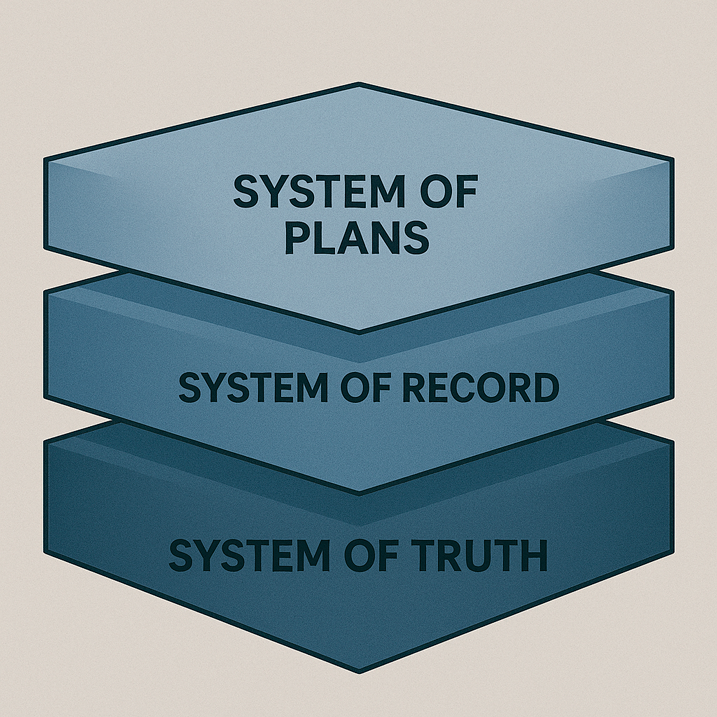
Three Core Categories
System of Plans
This is where the intent lives. The "what we mean to do" layer. It includes:
- Schedule (Primavera P6, excel, etc) - the theoretical schedule, what's supposed to happen, and when
- BIM tools (Revit, Navisworks, Synchro) – the theoretical design, what it's supposed to look like
These tools are deeply embedded into contracts and processes. P6 and scheduling especially are old, complex, and difficult to change, but every large project still runs on them. Schedules live in P6. Designs live in Autodesk, Revit, and Navisworks. Everything else orbits around them.
P6, in particular, is bloated and rigid, a legacy system with an enormous install base that persists due to contract dependencies and industry inertia. It's not built for real-time collaboration or in-field updates.
BIM tools have modernized more, and when they're linked to the schedule, you get 4D, a powerful idea that lets you visualize what will happen and when. But it's hard to pull off in practice. There's no real standard for schedules. Everyone builds them differently. P6 is a closed system. Integration is clunky. And VDC teams are already stretched thin. Very few GCs have the resources to manually sequence the schedule with the BIM models on a regular basis. Not even in the age of ever-expanding AI has a technology out there figured out how to make this process easier. It's time-consuming, expensive, and not built into most project budgets.
So even when BIM and scheduling tools are paired, they still fall short. Because neither knows what's actually happening.
They encode intent, not reality.
System of Record
This is supposed to be the official history. The record of "What happened." Actual site conditions. Transcribed 99% by humans.
Today, it's mostly:
- Project Management Software – Procore, Aconex, Autodesk Construction Cloud (ACC)
- Financial & ERP Systems – CMiC, Viewpoint (Trimble), Sage
- Delivery & Logistics Platforms – Voyage Control, Plot Safety & Compliance Tools – HammerTech, Smartvid
- Schedule Maintenance Overlays – VisiLean, Foresight, ALICE
These systems are where jobsites try to stay organized. RFIs, daily logs, submittals, observations, manpower counts, inspection results, pay apps, the stuff that makes the project "official." The problem is, every part of it is based on people. People writing things down. People remembering what happened. People covering themselves. People forgetting.
Procore doesn't know if the slab was actually poured on Wednesday. It just knows someone wrote it down that way. And maybe they were right. But maybe they were off by a day. Maybe they didn't show up until Thursday. Doesn't matter what actually happened, that's now the record.
Even schedule updates, milestone reports, and progress photos are subject to the same thing: human interpretation. Owner-side PMs walk the site and mark off what they think was completed. The GC gets a drone flyover every few weeks and highlights a few percent increases. Superintendents are entering manpower and delivery data by hand, usually while juggling twenty other things.
The fatal flaw? These systems are only as good as their inputs. And the inputs are human. And humans are flawed.
Humans are tired. They rush. They're biased. They can't see everything. And only about 1% of humans have the photographic memory, or the time, to fill out a daily report that actually meets spec. Every single day for the full life of the job.
They don't want to get in trouble. They're not incentivized to share bad news. They misremember when things happened. They rely on whatever's in their text threads or the last three photos on their iPhone. That becomes the record.
But it's not the truth. It's just what someone said the truth was, well after the fact. So the result is a system of record that is:
Prone to bias. Slow to update. Full of gaps. And constantly disputed.
That's why coordination meetings turn into arguments. That's why owners bring in third-party consultants to verify progress. That's why lawsuits happen.
Because everyone has "a version" of what happened. And none of it is objective.
The irony is that the schedule itself, Primavera P6, is supposed to be a system of plans, but in practice it also becomes the system of record. People "status" the schedule based on what they believe happened. But even that is delayed and depends on someone doing the work.
Tools like VisiLean, Foresight, or Alice try to bridge the gap, but they're still layered on top of flawed data. They're making the best guesses they can, based on whatever's in Procore, whatever's been emailed, whatever was manually uploaded.
And so we're back at the core problem: The record is not the truth. (It's just what someone said the truth was).
System of Truth (The Data/Infrastructure Layer)
This is what actually happened. This is where reality capture comes in. The infrastructure layer. The source of "What actually happened."
The Infrastructure Layer includes:
- Fixed-position cameras (time-lapse, livestream, AI-enabled): Evercam, Earthcam, Truelook, Oxblue
- 360 image capture (structured walks, handheld, robotic)
- Drones (periodic aerial capture, orthomosaics, site conditions)
- Lidar and scanning tools (as-builts, deformation, volume calculations)
Unlike the first two systems, this one isn't based on intent (what should happen) or recollection (what someone said happened). It's based on reality. Unbiased, timestamped, sensor-based documentation. No opinions. No summaries. Just the raw record of what occurred.
The defining difference? No one needs to write anything down. The system is always recording. Always available. Always verifiable.
But here's the thing: most of this footage exists in silos. A drone scan saved on someone's desktop. A 360 video uploaded to a folder no one opens. Camera footage used reactively, if at all. The data is there, but it's not yet infrastructure.
What's emerging is the shift from footage as artifact to footage as evidence - data that can be queried, compared to the plan, and tied to specific milestones, trades, and specs.
A few examples:
"Did the steel delivery happen Tuesday or Thursday?"
"Was the fireproofing actually finished before inspections?"
"Did that incident happen during work hours or after?"
"Can we prove the safety rail was installed before the fall?"
Visual data gives you those answers, without relying on someone to remember or report it. This doesn't mean plans and records go away. But it means the plans and records and everything else has to start aligning with something real. Because when visual truth exists, it becomes the arbiter. Plans adjust to it. Records are validated by it. Meetings move faster. Disputes get resolved. Risk drops. Confidence goes up.
It takes what works perfectly in theory and replaces it with the truth.But it only works if that truth layer is connected. Right now, most systems of truth are disconnected from systems of record. They're not integrated into scheduling tools. They're not feeding data into Procore or P6. They're not structured. Not searchable. Not smart.
That's the next wave: Turning passive footage into active infrastructure. Structured, queryable, integrated. So the system of truth isn't just a backup plan: it's the foundation that everything else builds on.
The Industry Doesn't Trust the Schedule
Let’s be honest — “on schedule” is one of the most creative phrases in construction.
Ask anyone who’s lived through a major project. No matter how detailed the Primavera P6 plan is, or how many milestones are marked complete, everyone on site knows the truth: what’s supposed to happen, in what order, and when — typically isn’t what’s actually happening.
The schedule is a fiction we all agree to pretend is real. Until it isn’t.
And yet, it’s still the backbone of every contract, payment, and claim. The lease gets signed based on it. The owner gets held to it. The GC gets paid off it. Even when everyone quietly knows it’s wrong.
Why? Because there’s no shared source of truth. Everything depends on what someone says happened - the CPM, the site log, the “progress update” email. No one’s cross-checking it against visual proof until it’s too late. That’s why owners don’t really trust the schedule. Neither do GCs. Neither does anyone who’s ever tried to reconcile a milestone payment against what’s actually happening in the field.
P6 is still the default for large projects — outdated, rigid, and nearly impossible to adapt to real-time decisions. Its waterfall structure guarantees a lag between what’s planned and what’s real. Integrations are painful. Collaboration is clunky. By the time updates hit P6, the project’s already moved on.
It’s unfriendly, hard to build on, and impossible to kill. Because it’s entrenched. Because contracts depend on it. Because everyone else uses it.
But a new system is emerging, not built on human inputs, but on the ground truth.

Humans are the Bottleneck
Today’s construction systems depend on humans. Flawed, overworked humans. Often with selective memory. Telling them what happened.
As Diana Kay of Suffolk Tech observed highlighted in Last Week in Contech: 2025 Construction Tech Opportunity Map, "Today’s systems of record often require manual input, an unrealistic expectation on job sites where workers are focused on completing their tasks rather than logging information."
A delivery manager logs the truck in a spreadsheet when it hits the gate. A PM updates the P6 schedule after the concrete pour — usually a day or two later. The superintendent checks a box in Procore to mark “framing started,” based on whatever the foreman texted him. Someone in the office uploads progress photos on Friday because they finally had time to organize them.
But what if the system just knew? That’s what reality capture + AI (thank you Gemini, ChatGPT, and the open-source ML models built by construction nerds on GitHub) is starting to enable.
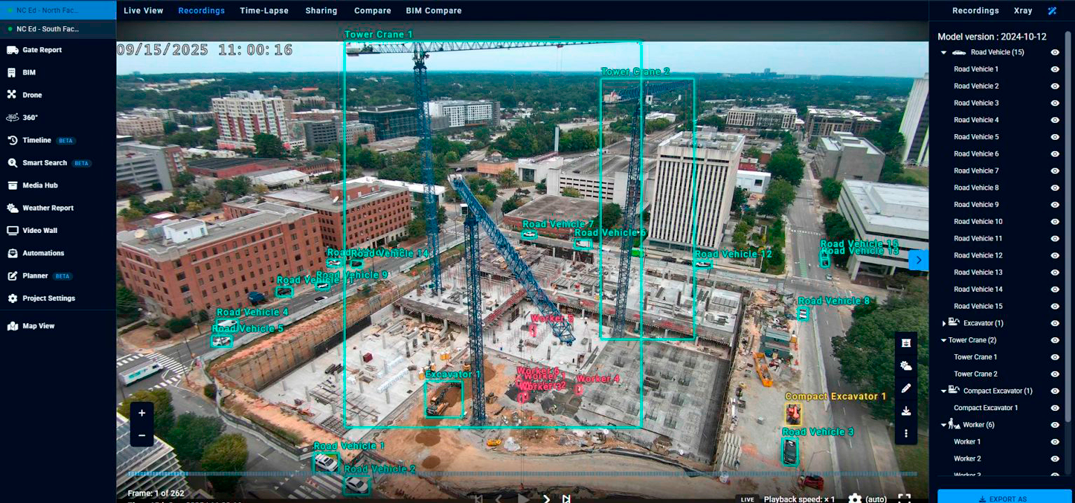
Cameras see the rebar go in. Drones measure the stockpiles
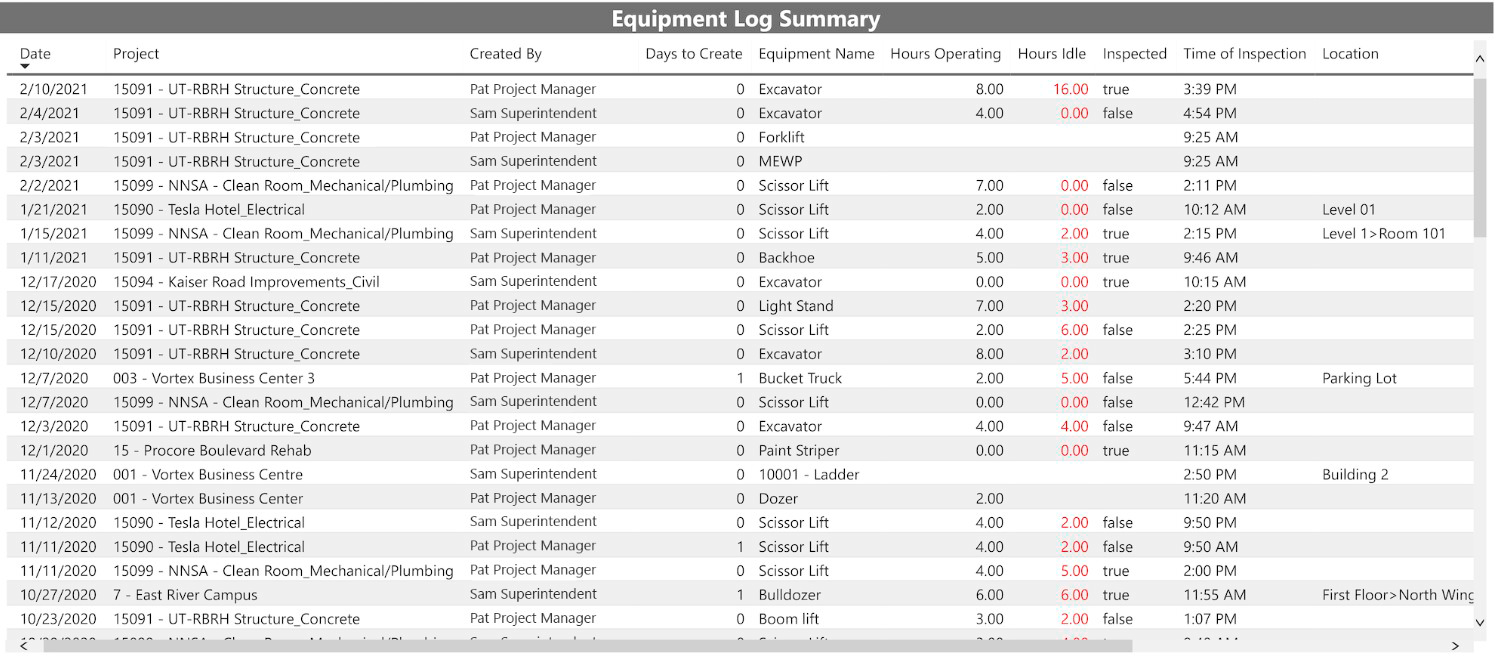
Algorithms trained to recognize cranes, manpower, concrete pumps, and excavators can now timestamp and tag site activity automatically. And ship those insights over to Aconex and Procore.
Raw images become structured data --> Data turns into insights --> And those insights feed the system's of record.
5 Tower Cranes detected 8am Wednesday ----> Send to Procore Equipment Log
But this isn’t just a technology shift — it’s a trust shift.
Because when every stakeholder sees the same thing, in real time, trust stops being a personality trait — it becomes a shared dataset.
That’s the transformation Nancy Novak talks about in Time to Rethink the Owner–Contractor Relationship:
“Let’s move from transaction to transformation — building partnerships that last longer than the projects themselves. Because when owners and contractors stop pulling against each other, we unlock the strength to pull the whole industry forward. When relationships are built on trust and collaboration, the work sings. When they’re transactional, the work stumbles.”
She’s right. The problem isn’t that people don’t want to trust each other — it’s that trust is hard when contracts are written for zero-sum games and the “what actually happened” lives in spreadsheets, half-filled Procore logs, email threads, and flawed memories.
That transformation doesn’t start with softer contracts or more meetings — it starts with shared truth.
You can’t collaborate around different versions of reality. When everyone’s looking at the same dataset, trust isn’t a leap of faith — it’s a byproduct of visibility.
And it’s not just about how owners and contractors treat each other — it’s about how the systems we use shape those relationships. When data is fragmented and subjective, it breeds defensiveness. When truth is shared and visible, collaboration becomes the default.
A shared system of truth makes trust easier. It resets the baseline. It removes the need for selective reporting or spin.
When reality becomes the reference point, everyone, owners, architects, contractors, trades — can stop arguing about who’s right and just see what’s real.
Reality Capture Will Be the Next Primitive
Every system of record creates gravity — for workflows, integrations, and wallet share. Once that gravity forms, the system doesn’t die; it absorbs.
That’s what’s happened with Primavera P6. It’s been the primitive in construction for decades — the root layer everything else depends on. Contracts reference it. Coordination revolves around it. Payments, disputes, and progress all trace back to it.
But P6 represents intent, not reality. It tells us what was supposed to happen, not what did. And because it’s built on human input, it’s inherently lagging behind the truth on site.
The next primitive won’t be built on what people type in, it’ll be built on what the system sees.
The gravitational center is already shifting toward reality capture — fixed cameras, drones, 360 images, lidar scans. The infrastructure that captures and verifies what’s actually happening in real time.
Evercam’s evolution mirrors that shift. We started as a point solution, cameras on site, and more recently, a reality capture and intelligence platform support fixed, drone, & 360, but we’re becoming the infrastructure beneath the record. Not a replacement for P6 or Procore, but the foundation they’ll begin to rely on.
As Brendan puts it, “Infrastructure players win by being indispensable — the invisible backbone everyone builds on.”
That’s exactly what we’re building toward: the invisible backbone of truth that powers every other system in construction.
Do We Want to Be the System of Record?
In the traditional sense, no. We don't want to be the next Procore or P6.
We want to change how the system of record is powered, used, and needed.
Evercam, if built correctly, is not the system of record. It is the infrastructure beneath it. In the same way Stripe powers Shopify. The way Plaid powers Venmo. How school attendance software is powered by the teacher's clipboard.
Right now, that infrastructure is still human. PMs entering daily logs. Superintendents counting trucks. Owner-side PMs snapping milestone photos to send to the bank. All of that is manual infrastructure, and all of it is flawed.
Nobody owns the truth because the record is only as good as the person who wrote it. And when the infrastructure is people, the system is slow, subjective, and easy to dispute.
We believe we can shift that infrastructure to something more reliable. Objective visual data. Imagery, AI, drones, fixed cameras, 360 capture, BIM overlays, P6 schedules, and specs. Fused together to tell the story of what actually happened, without someone needing to type it up.
Think of how we used to store phone numbers. You had to manually write them down in a notebook. Then came the rolodex. Then the contact list in your phone. And now? You don't even store most numbers. You just search them. Ask Siri. Google it. You don't need the pizza guy's number anymore. Or the electrician. Or your tax man. Because you know you can type it into google and find their numbers when you need it.
That shift, from manual entry to ambient access, is the same shift we're creating in construction.
A reality capture provider won't win by trying to get every PM, superintendent, owner, and marketing person to log in daily to manually dig through visual data. We win by making that need obsolete.
The right information, people on site, weather, milestones, deliveries, already captured. If something goes wrong, they just ask:
"Did rain in August really cause a 3-day delay?" "There's a crack in Fab 2. When was the concrete poured? By who? Show me the footage." "Was that safety protocol followed?" "How many people were actually on site last Tuesday at 7 a.m.?"
Right now, all of these rely on humans. Humans who are tired, busy, biased, or just trying to cover themselves. That's why timelines are wrong. That's why meetings start with a debate over what actually happened.
We want to remove that layer of uncertainty.
"Hey Mr. Owner, it rained two days in August. Here's an RFI for 2 days back," says the PM.
"It didn't rain here. And Weather.com shows it only rained 30 minutes," the Owner replies.
"Oh, but the weather station is a mile away," the PM counters. "Well, if it rained, show me the proof."
Show me. That phrase plays out on every job, every month.
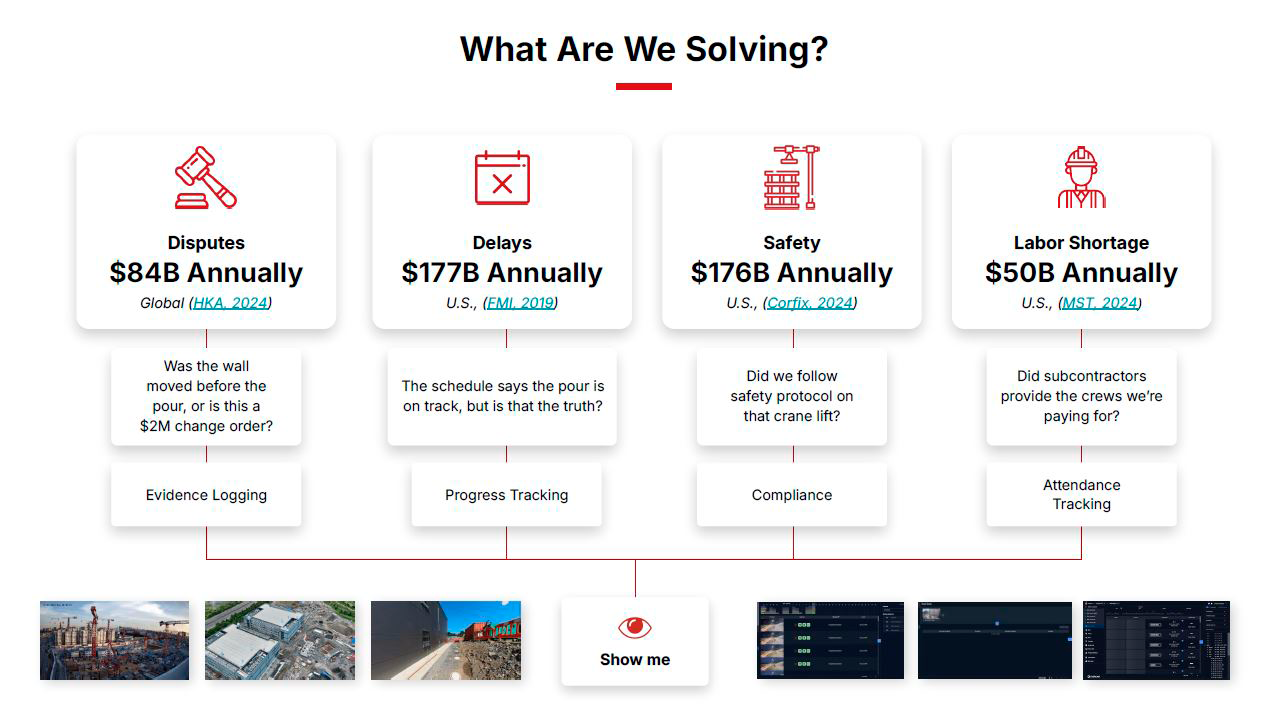
Reality capture means you can.
With Evercam, "Show me" becomes a timestamped replay. Not a dispute.
When that happens, we don't need to be the system of record. Because everyone else will start deferring to our truth. The schedule doesn't go away. But it finally starts working the way it should.
We don't replace the record. We make it reliable.
Because if the truth is already captured, and can be structured, surfaced, and shared, the need to report everything manually disappears. Procore becomes a UI layer for formal documentation. P6 becomes a readout of plan vs actual. But the source of truth, what actually happened, starts and ends with reality capture.
That's our role. Not to replace the systems of record directly, but to become the layer they rely on. Quietly. Invisibly. Irrefutably.
What Happens When the Schedule Writes Itself?
Let's say we stop asking whether the project is on schedule and just know.
Let's say we stop relying on a field engineer to update a spreadsheet and instead pull up a timeline view of what actually happened, backed by footage and linked to milestones.
Now forecasting gets better. Now claims are grounded in truth. Now we know which subcontractors are ahead or behind based on real data, not anecdotes.
And now we can feed all of that backward into estimating, so the next project's plan is based on what actually happens, not what we wish would happen.
Winning Through Partnership & Bundling
The systems of record — Autodesk, Oracle, Procore - aren’t going anywhere. They’ve built too much gravity. Too many contracts, too many integrations, too much inertia. The logical next move for them is simple: build or buy their own reality capture capabilities. It’s predictable. It’s smart. And it’s already starting.
But the real competition for Procore won’t come from another documentation platform. It’ll come from a reality capture company that moves upstream. One that stops being a tool used by the system of record — and starts being the infrastructure beneath it.
Right now, there’s a wave forming underneath them. The Evercams, Buildots, Voyage Controls, Foresights, Kahuas, Linarcs, Visleans — all the point solutions building real visibility into what’s actually happening on site. Individually, none of them can take down a Procore. But together? Through bundling, partnerships, shared primitives, and tighter integrations — they can start to shift the center of gravity.
That’s how ecosystems evolve. Not overnight, but through consolidation. Through workflows that become habits. Through data that becomes indispensable.
Some of these companies will bundle and rise upstream. Some will get acquired by the big three. A few will build something entirely new — a single pane of glass where the plan, the record, and reality finally live together.
Just like in healthcare, the system of record will stay the system of record — but it’ll start relying on a new layer of truth underneath it. The truth captured, structured, and surfaced by reality capture.
Because when you own the capture layer, you understand how the client wants to use the data. That’s where leverage comes from. That’s where value compounds.
Reality capture complements humans today. In ten years, humans will complement automated insights from visual data.
We'll still have people in the loop, but increasingly, they'll be interacting with systems of truth, not maintaining them.
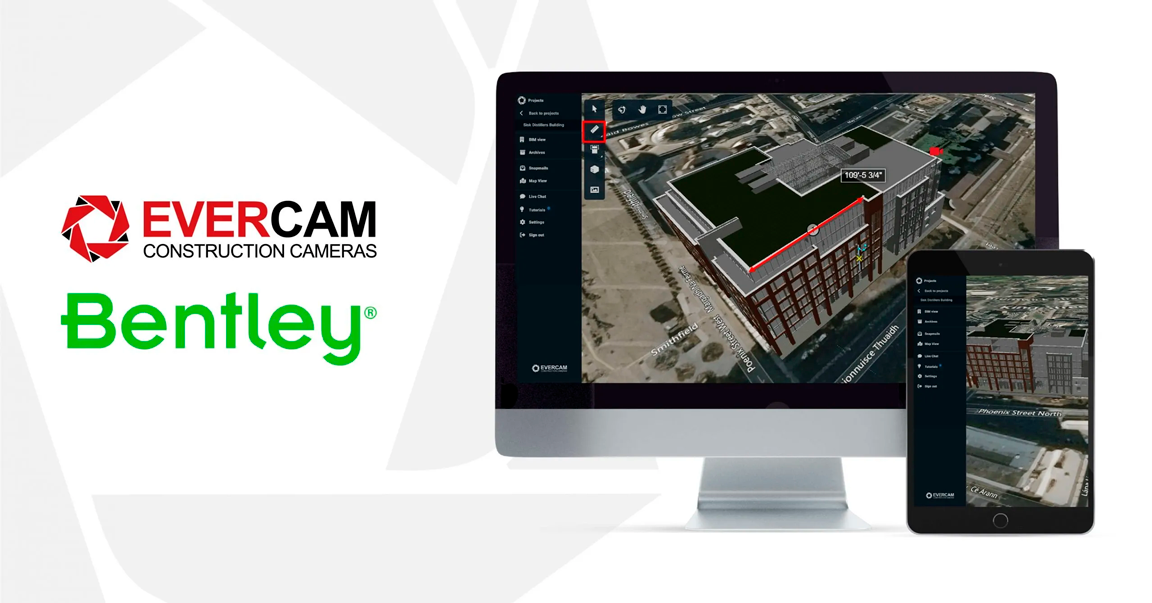
Evercam Secures Funding from Bentley iTwin Ventures to Expand Digital Twin Capabilities
Evercam the leading provider of construction camera software today announced a financial investment by Bentley iTwin Ventures, a part of Bentley Acceleration Initiatives. Terms were not disclosed.
Bentley Acceleration Initiatives is the internal incubator for strategic investments of Bentley Systems, Incorporated (Nasdaq: BSY), the infrastructure engineering software company.
This investment and technical integration of Bentley’s iTwin® platform will accelerate EVERCAM’s development of digital twin capabilities in the construction camera space. EVERCAM leverages artificial intelligence, BIM and project management software integrations to make multiple data points easily accessible from a single platform.
This offers their customers (that include asset owners, contractors and consultants around the globe) increased construction productivity through improved project visibility and team communications. In the past two years, EVERCAM has tripled their number of employees and now has 385 projects live in 10 countries.
Expanding Digital Twin Capabilities with Bentley iTwin®
Any changes made by the user to the BIM model will instantly update directly within EVERCAM 4D view via the iTwin® platform. Bentley’s iTwin® platform enabled EVERCAM to quickly integrate a variety of BIM models from different vendors that our users were using in their construction projects.
iTwin® platform with an open-source development environment, was quick to learn and integrate with our existing solution, enabling our users for a seamless migration to new capabilities offered by 4D view.
EVERCAM’s 4D view enables customers to access a list of features from within the platform including remote measurement, navigational tools, and the ability to highlight anything from the 3D model as each element is recognized by the iTwin® platform: slabs, beams, pillars, etc.
Users can easily switch between the multi-dimensional model and the camera view to access EVERCAM’s full suite of project management tools. Centralizing this data allows users to communicate more effectively, make better decisions, in turn driving productivity on site.
“We are excited to be building this partnership with Bentley. Bentley’s commitment to openness is important to us and our users as they use data from multiple vendors. Our long-term goal is to be able to capture and understand the entire Jobsite. The iTwin® platform, as a live, collaborative platform gives us access to the latest detailed digital twin, filling in a vital piece of the information gap for EVERCAM users.” - said, Marco Herbst, CEO of Evercam
“On construction job sites, team communication and site visibility are very challenging but critical for success. We are excited to partner with Marco and his team in developing solutions that leverage our iTwin® platform and EVERCAM’s software to accelerate their journey of becoming the industry-leading solution for real-time construction monitoring and analytics.” - said, Santanu Das, Chief Acceleration Officer, Bentley Systems
About Evercam
Evercam is the industry-leading provider of construction camera software that aims to increase construction productivity by improving project visibility and team communications.
Evercam’s software uses artificial intelligence, BIM and project management software integrations to make multiple data points easily accessible from within their platform for their customers.
In the past two years, Evercam have tripled their number of employees and now have 385 projects live in 10 countries. Their mission is to increase construction productivity by improving project visibility and team communications.
They do this by building a product that gives their customers access to as much data as possible through photographic reality capture on a construction site. For more information visit https://evercam.io/
Why General Weather Forecasts Aren’t Enough for Construction
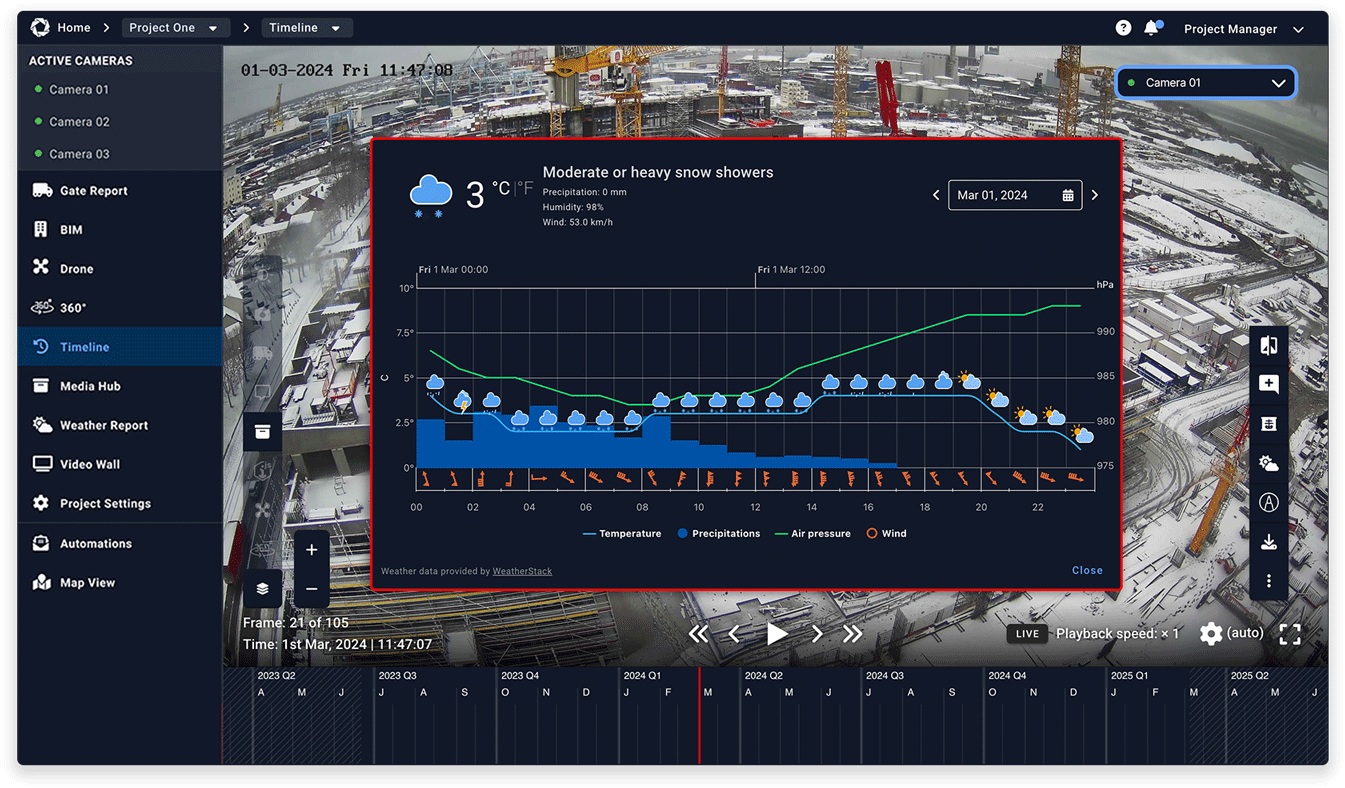
Weather affects construction every day. Shifting conditions, such as sudden rain, rising temperatures, or high winds, can delay work, impact safety, and increase costs. To stay on schedule, project teams need reliable weather visibility built into their daily workflow. Relying on general forecasts isn’t enough when critical decisions are made on-site and in real time.
A 2022 study by Dodge Construction Network found that 70% of construction managers in Europe experienced weather-related delays, and 39% faced financial penalties as a result. Globally, weather accounts for over 45% of construction project delays.
Even light rain (just 4 mm over 12 hours) can reduce productivity by up to 40%. Wind, heat, or freezing conditions can force equipment shutdowns and pose serious safety concerns. Cold stress also presents a major risk, with ice, snow, and low temperatures contributing to over 40% of weather-related workplace fatalities.
High winds can halt crane operations entirely, and in some cases, gusts over 21 mph have been linked to crane collapses. These risks underline the need for accurate, site-specific weather monitoring to support safer decision-making on site, as evidenced when Evercam’s Weather Tool allowed John Sisk & Son to monitor wind speeds and conditions, ensuring safe crane operations and reducing potential hazards on their Glass Bottle project. In the words of Chris O’Reilly, Sisk’s Health and Safety Manager:
“Checking wind speeds and weather conditions daily helps us plan crane operations and prevent accidents.”
What Accurate Weather Data Looks Like
To make informed decisions, teams need access to site-specific conditions, not general forecasts. The key data points include:
- Temperature
- Rainfall
- Humidity
- Wind speed and direction
- Air pressure
- General outlook (today and next day)
- Historical weather records
This data should be accessible to all stakeholders (site managers, subcontractors, and head office teams) to ensure everyone is working from the same source of truth.
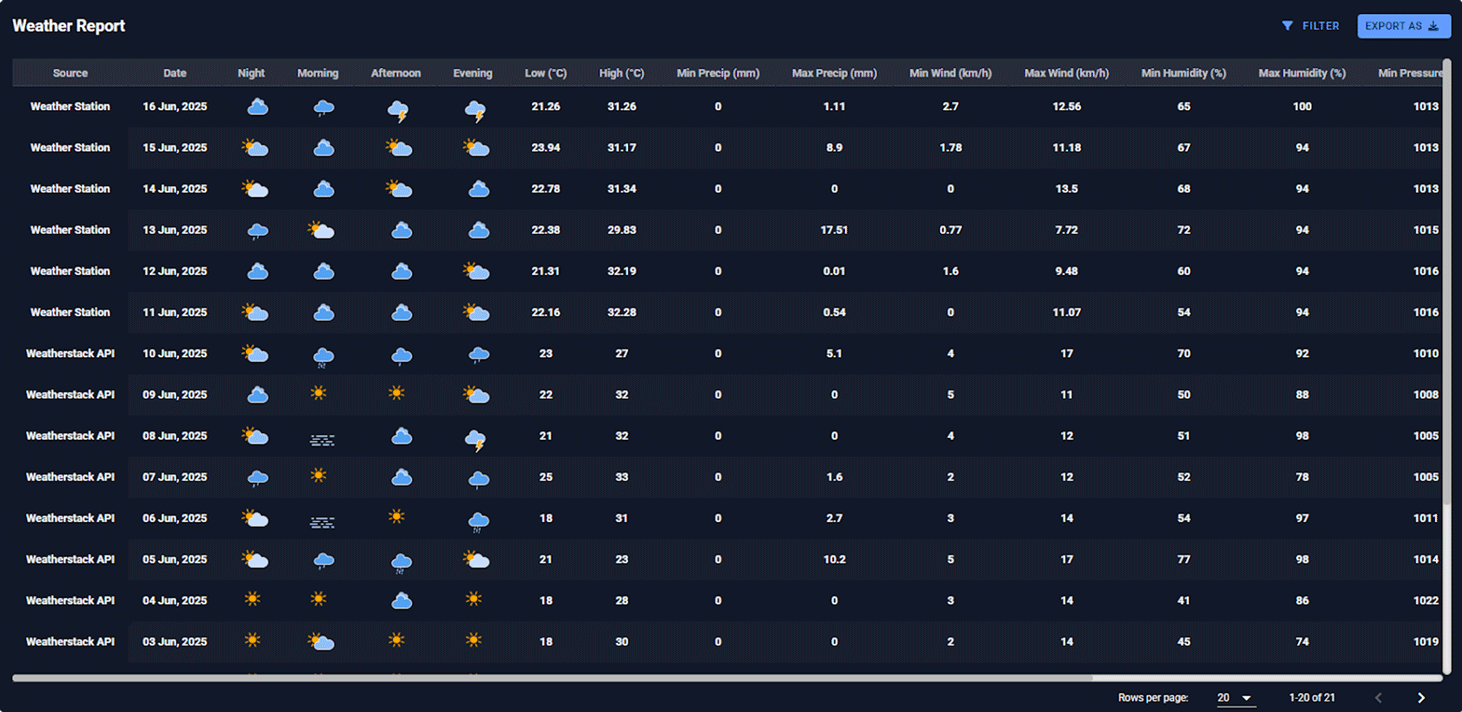
Our Weather Tool delivers this information using real-time and historical weather data, directly linked to each project. This gives teams accurate, project-specific insights they can rely on for planning and execution. Forecasts help teams prepare for upcoming conditions, while historical weather logs support retrospective reporting and project analysis.
Need even more accuracy? You can integrate your on-site weather station using our PWS Station ID and XWeather Keys setup. This pushes local data into your Weather Tool and Weather Reports, giving you a clearer view of what’s happening and what’s coming, essential for managing weather-sensitive tasks like concrete work, crane scheduling, or site access.
Weather Reports provide a logged, visual record of site conditions tied to each day’s activity, adding operational value for compliance, claims, and post-project reviews.
Why Combine Construction Cameras with Weather Data
Construction cameras already help teams monitor progress, resolve disputes, and keep stakeholders informed. Using all our platform features, including weather data, they become even more valuable.
- Use construction documentation to solve disputes and delays caused by weather
- Track equipment downtime related to site conditions
- Support site planning using our Live View
This combination creates a visual and environmental record of events, which is beneficial for reporting, safety, operational purposes, and daily meetings, as O’Reilly noted:
“We gather in the coordination room, using live feeds to align subcontractors, supervisors, and staff. The visual clarity ensures everyone understands their role, streamlining workflows and reducing errors.”

How Evercam Helps Construction Teams Tackle Weather Challenges
- Improve Day-to-Day Planning
Get real-time visibility into weather conditions like temperature, wind, and rainfall right from your project dashboard. Know when it’s safe to pour concrete, operate a crane, or reschedule outdoor work.
Quick tip: Evercam can display accurate local readings and hourly forecasts using your on-site weather station.
- Reduce Downtime and Idle Equipment
Don’t let bad weather catch your team off guard. Use historical trends and real-time weather data, combined with construction camera footage, to identify patterns and minimize unnecessary standby time.
Quick tip: Review previous weather-related downtime directly alongside recorded site activity.
- Avoid Disputes and Strengthen Documentation
If work was delayed due to weather, you’ll have timestamped footage and weather logs to prove it. This protects you in case of claims or penalties.
Quick tip: Export clips and weather reports for client updates, internal reviews, or insurance use.
- Maintain Safe Working Conditions
Use the Weather Tool to monitor conditions like wind speed and heat indexes to prevent unsafe site activity. Use footage to double-check safety compliance in high-risk conditions.
Quick tip: Overlay weather data on camera views to assess and respond to site risks in real time.
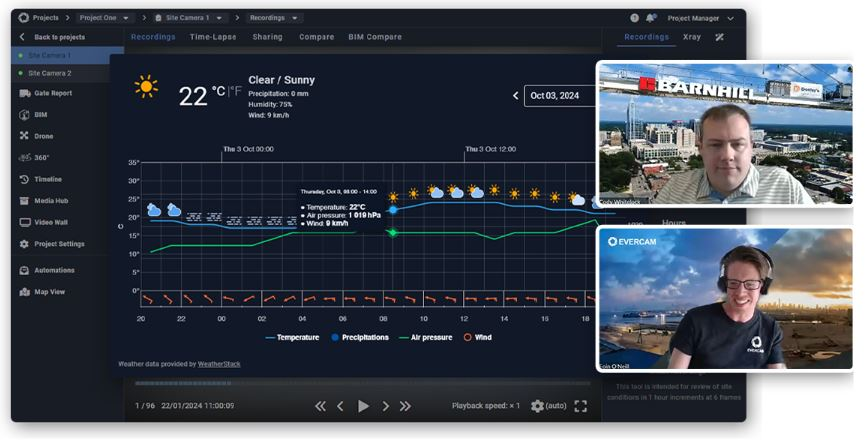
As Cody Whitelock, Director of Innovation and Professional Development at Barnhill Contracting Company, puts it, “on-site weather stations linked to construction cameras provide reliable data for weather delay claims. This has improved reporting and helped with planning and scheduling. Cody emphasized how valuable this feature has been in dealing with unpredictable conditions. Having a jobsite camera that integrates weather insights has become vital to managing these challenges.” It is clear as day - when weather data is paired with construction camera footage, it provides a shared understanding of what happened and when.
Give it a try. Track conditions, capture progress, and work with the data that matters.

Evercam Takes Home Top Honours at the 2025 ICE Awards
We’re thrilled to announce that Evercam has won the Construction Product Innovation-Digital Construction Technology category at the 2025 Irish Construction Excellence (ICE) Awards!
This is a night that celebrates the brightest minds and boldest ideas in the industry!
Often called the “Oscars of Irish Construction,” the ICE Awards recognise companies that are raising the bar and redefining what’s possible in the built environment. To be recognised among such industry leaders is a huge honour, and a powerful reminder that innovation isn’t just about technology, but about impact.
From our real-time recordings to advanced tools like Drone View and 360 View, to BIM integrations, Evercam is helping project teams see more, share more, and act with certainty, whether they are on site or working remotely. This win is a testament to the power of visibility and to the outstanding customers who push us to keep building smarter tools every day.

Huge thanks to the ICE Awards judges, the organisers, and to every Evercam user who shares our belief that better visibility builds better outcomes.
See the full list of winners here.
Evercam’s API: Powerful Access with Purposeful Boundaries
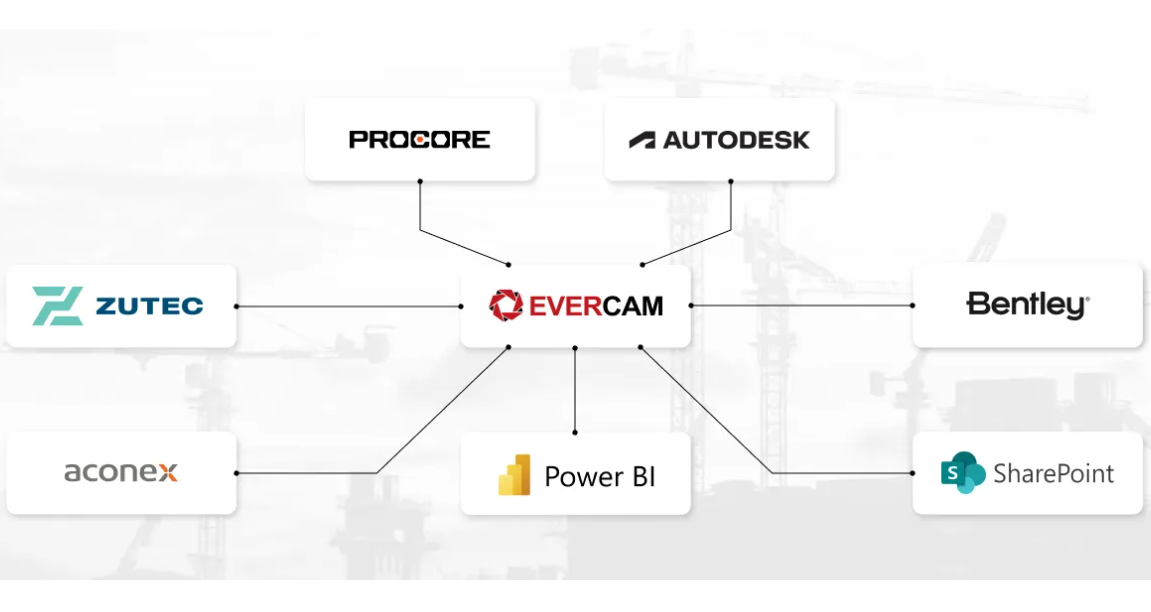
At Evercam, we offer customers tools to do more with their construction camera data. Our API is publicly accessible, so you can build integrations, automate workflows, and create tailored solutions that meet your project’s unique needs.
Let’s Start with the Basics: What’s an API?
API stands for Application Programming Interface. It is a bridge that connects two systems, allowing them to share information and work together without manual effort.
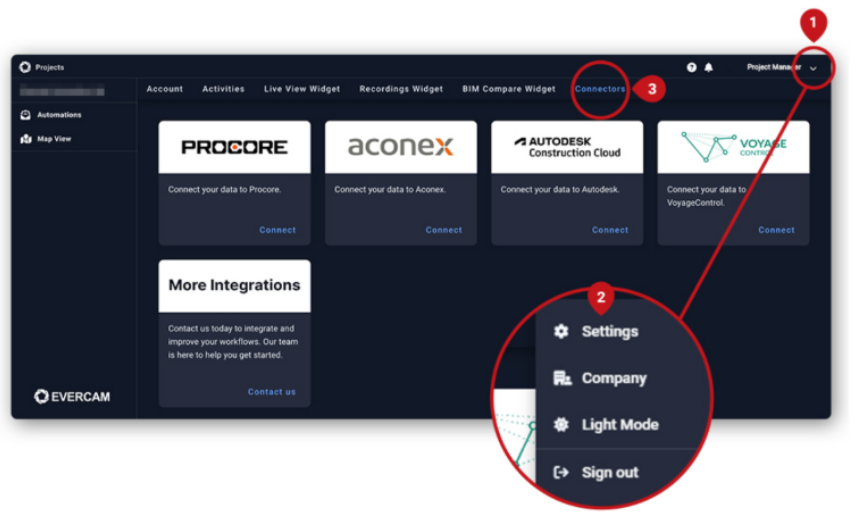
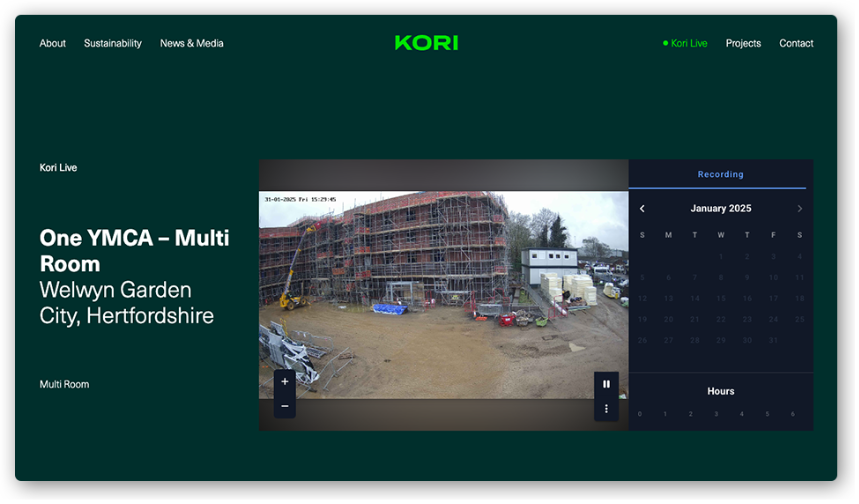
In our case, the Evercam API allows your software, whether it’s a project management platform, reporting tool, or custom dashboard, to interact with our cameras and data. For example, you can:
- Automatically pull the latest snapshot from your jobsite
- Access recorded snapshots with timestamps
- Generate and retrieve time-lapse content
- Trigger events based on camera activity
It’s a way to unlock more value from your camera without logging in and downloading media manually.
Why We Charge for API Access
Our API is designed to offer real-time, high-volume access to snapshots, camera recordings, time-lapses, and more. This means each call to our API has real cost implications, especially as our platform scales to support thousands of construction projects globally.
We charge for API usage to:
- Ensure responsible use. Without rate limits currently in place, unrestricted access could lead to abuse or excessive strain on our servers.
- Support strategic integrations. API discussions often involve senior technical decision-makers on both sides. At Evercam, we support these conversations with experienced team members who provide technical insight, best practices, and hands-on guidance. Real-value resources.
- Protect platform stability. Charging for access discourages misuse and helps us maintain the performance, reliability, and security our customers expect.
Public ≠ Free
We want to be clear - just because our API is public doesn’t mean it’s free. Open access means we’re transparent about what’s possible and encourage innovation within a framework that respects the systems, people, and planning that make it possible.
By keeping our API available but gated by usage fees, we strike a balance:
- You still get the tools you need to innovate
- We ensure sustainability and quality of service for all users
Working With You, Strategically
If you're thinking about using our API, we welcome the conversation. Just know that, like any strategic investment, it involves time and thought from both sides. Our team will partner with you to ensure your goals are met efficiently and effectively, with clear expectations around cost and scope.
Interested in Evercam’s API?
Let’s discuss how it can benefit your project and how we can support your success every step of the way.
IoT for Risk Reduction in Construction
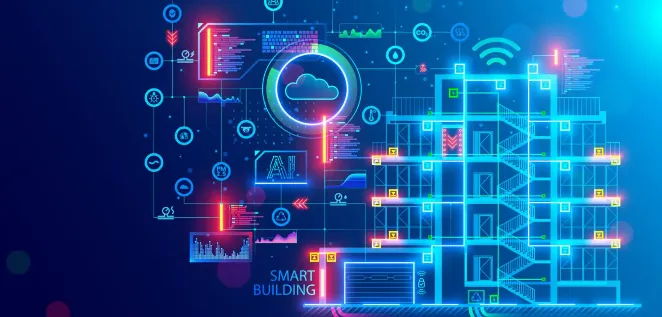
The Internet of Things (IoT) is rapidly transforming every industry, as it merges our physical and digital worlds. With the prevalence of wireless networks and affordable digital chips, almost any object can be turned into a smart, responsive device.
IoT broadly refers to a network of assets, devices, and people connected to the Internet to send and receive data. IoT has transitioned from being an emerging technology to an essential technology. It is shaping the construction industry's future and the benefits of implementing IoT far outweigh the risks of delaying its adoption in the construction industry which requires on-time and on-budget completion of project deliverables.
Low IT costs, cloud computing, extensive low-power wide-area networks, industrial technology training programs, and other success factors have had a major impact on IoT availability and adoption. Being a high-risk industry, the construction fraternity has to find ways in which IoT can also help in reducing risks.
Here are ways in which the IoT is being adopted with the aim of reducing risks in the industry.
Site Monitoring
While the technology to remotely monitor construction and building site progress isn’t new, many companies failed to adopt this technology until pressed to do so by restrictive, pandemic-related on-site work regulations.
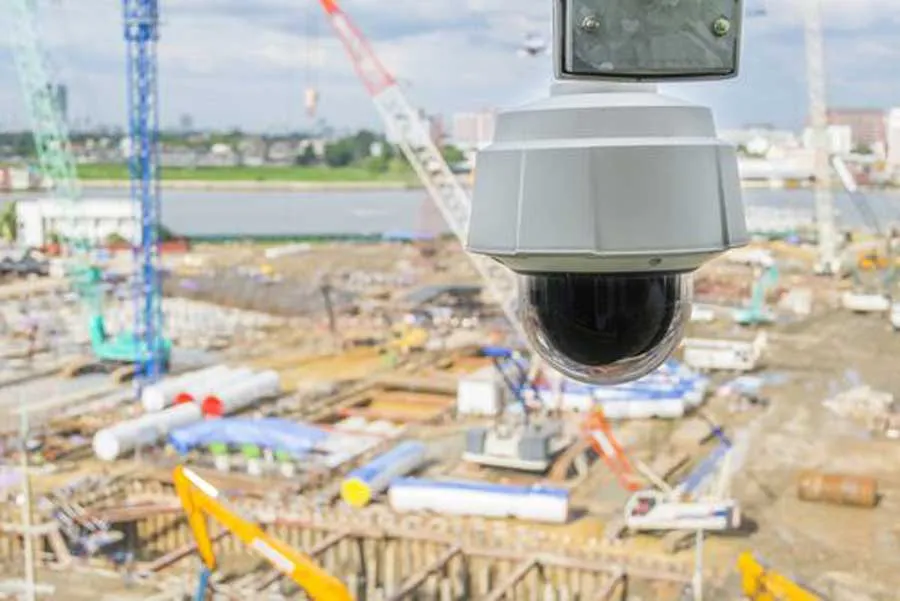
Remote construction monitoring allows employees who are not physically present to monitor projects with a range of tools. These tools allow managers to check project progress, track contractor activity with automated sensors, monitor dangerous activity and missing PPE, as well as check the use of machines, and geolocate equipment
By using one, or a combination of these tools, project managers can conduct checks, provide feedback, and solve problems from the office. The benefits are plentiful, from improving productivity and time management to reducing loss, and waste.
With construction cameras, safety hazards can be identified as well as health and safety violations. Unlike people who are subject to human error, digital monitors never sleep—therefore eliminating these errors and enhancing monitoring capacity.
Drones
Drones provide ariel views that help to alleviate the difficulties associated with manual inspection. Where projects being undertaken are tall and elaborate structures such as skyscrapers and bridges that need keen monitoring, drones are used to ensure safety measures are put in place and identify areas that need an upgrade.
Virtual reality
The construction sector is also embracing virtual reality (VR) technology, which is enhancing safety protocols. In order to provide effective training programs, many companies are investing in virtual reality systems. The technology provides a comprehensive simulation of construction site hazards.
When builders use the technology for training, they decrease accidents by increasing individuals’ hazard awareness. Construction workers can also use virtual reality to create project designs.
Developing accurate project blueprints can reduce on-site material damage. Fewer broken building components can reduce the risk of falling and other injuries.
Fleet Management
A digital fleet management system keeps a construction company’s project management goals on track and supports the day-to-day operations of multiple construction projects across sites. For example, mounting IoT-enabled trackers to construction assets provides higher accuracy and convenience. With the help of fleet tracking software, managers can find the best routes and send the nearest available drivers to fulfil site requirements.
This increases the construction company’s ability to respond to urgent changes in site requests and enables them to quickly adapt on the go without delays. Construction cameras have also been integrated with IoT tools such as Evercam’s Gate Report feature which identifies the type of vehicles that enters and exits the site as well as provides the relative data required by project stakeholders.
Digitalized Processes
In the past, company safety procedures were often paper-based and labour-intensive, necessitating physical observation and documentation of operations in order to guard against accidents. Without key insights into safety performance, enhancing safety on-site can be extremely challenging. Additionally, these programs don't offer real-time alerts of potentially hazardous or dangerous conditions before accidents occur.
Today, construction safety is easier to achieve and more attainable because of the digitization of operations. One may oversee construction and guarantee worker safety with mobile applications that permit remote monitoring without being physically present at the job site.
Evercam’s Snapmail feature comes in handy in such situations where one is able to schedule an email with a snapshot from the camera directly to other stakeholders. Snapmail is a perfect way to send a regular, scheduled reminder about all the key events and project milestones. This can be used to also alert stakeholders on any safety measure that hasn’t been implemented on the job site.
Digital training sessions
Upskilling requires training in every job capacity, but it is especially critical in the construction sector due to the numerous physical health concerns, such as back injuries and the toxic chemicals in paints.
All employees across numerous sites can acquire the same material by simplifying training sessions, preventing misinterpretations that could be disseminated through in-person training across numerous sites. Additionally, sessions can be recorded so that staff members can watch them again to refresh their memories. This guarantees good safety conditions because staff members can become much more familiar with important procedures.
Reducing Risk Through Connected Construction
Construction is a complex, risky business. But IoT solutions can help construction companies save time and money while reducing some risks. In particular, IoT data can be used to improve safety, optimize resources, and track progress on construction projects.
Besides improving worker safety, deploying technology can also increase worker productivity. If you're interested in learning more about how IoT can reduce risks in construction, contact us today to book a demo. We'll show you how our software can help you manage your construction projects more effectively and efficiently.
Construction Leaders Deploy Automation at Scale
The construction and industrial sectors are experiencing a shift as automation moves from experimental to a key part of daily practices, especially in areas that are hazardous and high-risk. From mining operations to offshore oil platforms and urban construction sites, the most advanced companies are deploying robots, autonomous vehicles, and AI-powered systems to increase productivity while protecting their most valuable asset: their people.
Defining Automation: Automatic vs. Autonomous
Automation in industrial settings encompasses two distinct but often confused concepts: automatic and autonomous systems. Automatic systems follow pre-programmed instructions to perform repetitive tasks without human intervention, like a conveyor belt that moves materials at set intervals or a robotic arm that repeats the same welding sequence. Autonomous systems, however, use artificial intelligence to make decisions and adapt to changing conditions in real-time. Consider Komatsu's haul trucks: an automatic truck would follow a predetermined route, while an autonomous truck analyzes terrain conditions, weather, traffic patterns, and obstacles to determine the optimal path moment by moment. This distinction matters because autonomous systems can handle the unpredictable nature of construction and industrial environments, making decisions that weren't explicitly programmed.
Large-Scale Automation Already Operational
The scale of automation at work already is impressive. Komatsu's autonomous haul truck fleet with over 750 vehicles has moved more than 10 billion metric tons of material, adding 6 million tons daily without human drivers. These are workhorses operating 24/7 across four continents, proving that fully autonomous heavy equipment isn't the future but the present. They are also inviting others to the table, hosting events like the Automation Global User Forum.
Built Robotics is taking a different approach, retrofitting existing excavators, dozers and loaders with AI guidance systems that transform conventional machinery into autonomous operators. After 13,000+ operational hours, their track record remains perfect: zero accidents. The company's autonomous excavators are now deployed across sites from utility installations to residential developments, demonstrating that automation scales from mega-projects to everyday construction work.
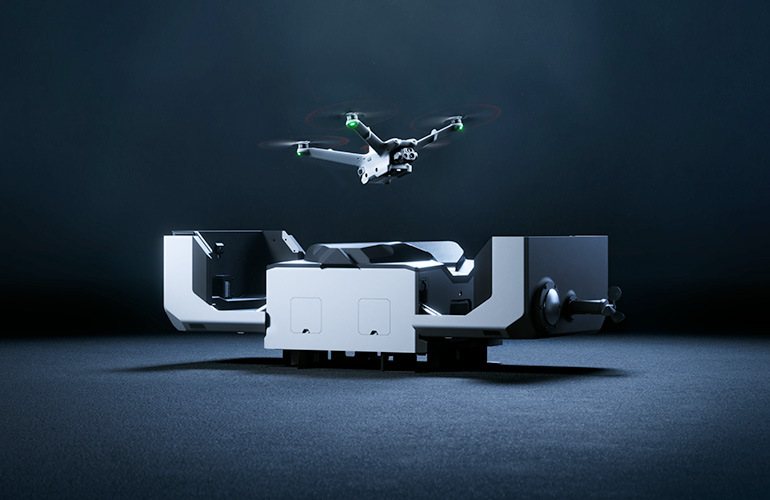
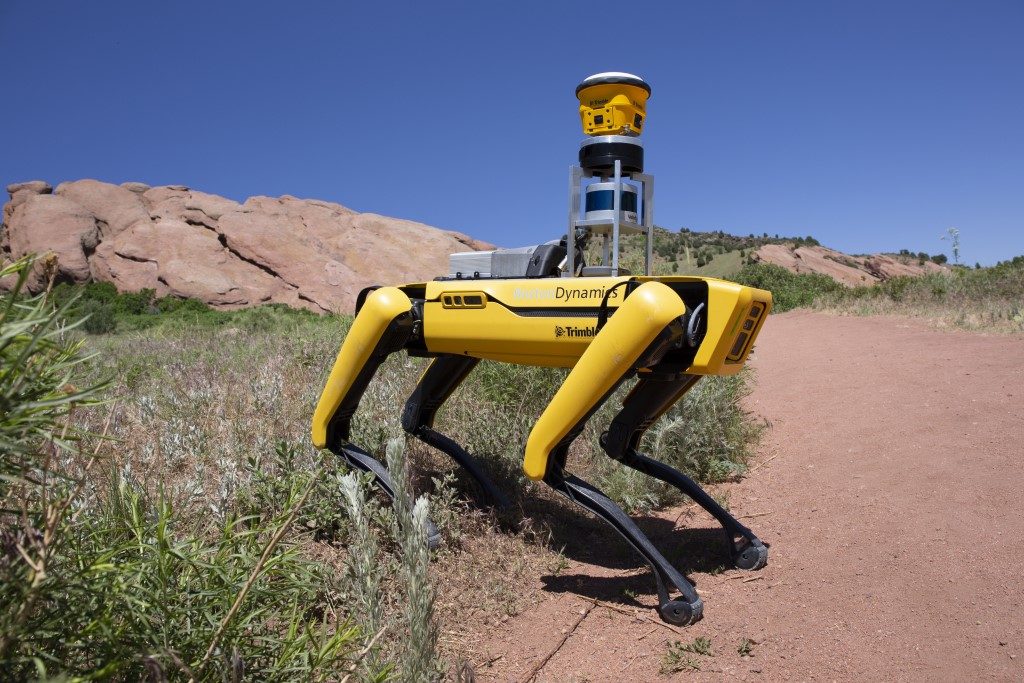
Major contractors are embracing this transformation. Skanska has deployed Boston Dynamics' Spot robots for autonomous site inspections and housekeeping operations. Turner Construction, the largest general contractor in the United States, uses DroneDeploy's robotic solutions with Spot robots to perform autonomous data capture on large-scale data center construction projects. Turner saves four to five hours with each 15-minute automated mission, allowing these robots to work overnight after human crews have left the site. These quadrupedal robots navigate construction sites independently, capturing progress data, monitoring safety conditions and detecting issues that human inspectors might miss while keeping personnel away from potential hazards.

Offshore Oil: The Ultimate Automation Testbed
Perhaps nowhere is the marriage of innovation and safety more critical than on offshore oil platforms, where automation is literally a matter of life and death. Equinor's Oseberg H platform represents the industry's holy grail: the world's first fully automated oil and gas platform operating unmanned in the North Sea.
The offshore robotics ecosystem is remarkable in its sophistication. ANYbotics' ANYmal quadrupedal robots perform autonomous inspections on North Sea platforms, equipped with thermal cameras, gas detection sensors and 3D mapping capabilities. These robots navigate the complex industrial environment 24/7, identifying potential equipment failures, gas leaks and structural issues before they become catastrophic events.
BP has deployed Boston Dynamics' Spot robots carrying specialized sensor packages across their facilities. These robotic inspectors can access dangerous areas where gas leaks or equipment failures pose risks too great for human workers. The robots continuously monitor for anomalies, enabling predictive maintenance that prevents the kind of disasters that have plagued the industry.
Subsea operations represent perhaps the most advanced application of industrial robotics. Oceaneering's self-contained, battery-powered ROVs (remotely operated vehicles) can operate for extended periods without mother ship support, dramatically reducing operational costs while providing continuous monitoring of critical underwater infrastructure. The Eelume robot, developed by Equinor, operates in restricted subsea areas, performing maintenance tasks that would previously require expensive vessel mobilizations and put divers at risk.

The Safety and Productivity Revolution
The statistics driving this automation revolution are compelling. Construction managers currently spend 30% of their time simply verifying the accuracy of progress updates, time that could be spent solving complex problems and managing teams. With acute skilled labor shortages across both construction and industrial sectors, automation isn't just about efficiency; it's about survival.
The safety benefits are equally dramatic. Workers on offshore oil rigs are six times more likely to die on the job compared to average workers, making automation not just economically attractive but morally imperative. In construction, where safety incidents cost billions annually and disrupt schedules for months, autonomous systems eliminate human error in the most dangerous tasks.
Boston Dynamics has systematized this approach across industries. Their Spot robots now include integrated safety lighting, audio alerts and emergency stop systems designed specifically for industrial environments. AB InBev reduced average equipment repair times from months to just 13 days by using Spot for early issue detection. BMW's Plant Hams Hall uses Spot to automate data capture for digital twins, centralizing insights that improve operational efficiency.
The Economics of Automation
The financial case for automation has reached a tipping point. The global oil and gas robotics market, valued at $18.46 billion in 2024, is projected to reach $29.38 billion by 2033. This growth isn't driven by speculation but by proven ROI.
Komatsu's electric mining excavators deliver 47% savings in total cost of ownership compared to conventional diesel equipment, backed by real-world pilot program data. Built Robotics charges $3,000 per month plus usage fees for their excavator automation systems, a fraction of the cost of the productivity gains and safety improvements they deliver.
The offshore industry has embraced this economic reality. Major operators including Shell, ExxonMobil, BP and TotalEnergies are deploying robotic solutions not as experiments, but as core operational strategies. Shell has been particularly active in automation and digitalisation, implementing AI-powered inspection management systems and showcasing automated inspection technologies at industry conferences.
What It Means for Construction Cameras
This automation revolution directly impacts Evercam's role in the construction technology ecosystem. While robots and autonomous vehicles handle the physical work, construction cameras serve as the digital nervous system that enables remote monitoring, progress verification, and safety oversight. The same trends driving automation adoption, like labor shortages, safety concerns, and the need for real-time data, are creating demand for intelligent camera systems that can operate autonomously and provide actionable insights.
Construction cameras are evolving from simple recording devices to autonomous monitoring systems that can detect safety violations, track progress automatically, and alert managers to issues before they become problems. As more construction sites adopt robotic systems for material handling and site preparation, cameras become essential for coordinating these automated operations and ensuring they work safely alongside human workers. The 30% of management time currently spent verifying progress updates represents a massive opportunity for camera systems that can automatically capture, analyze, and report construction progress without human intervention.
For Evercam, this means positioning construction cameras not just as documentation tools, but as critical infrastructure that enables the broader automation transformation happening across the industry.
What's Next
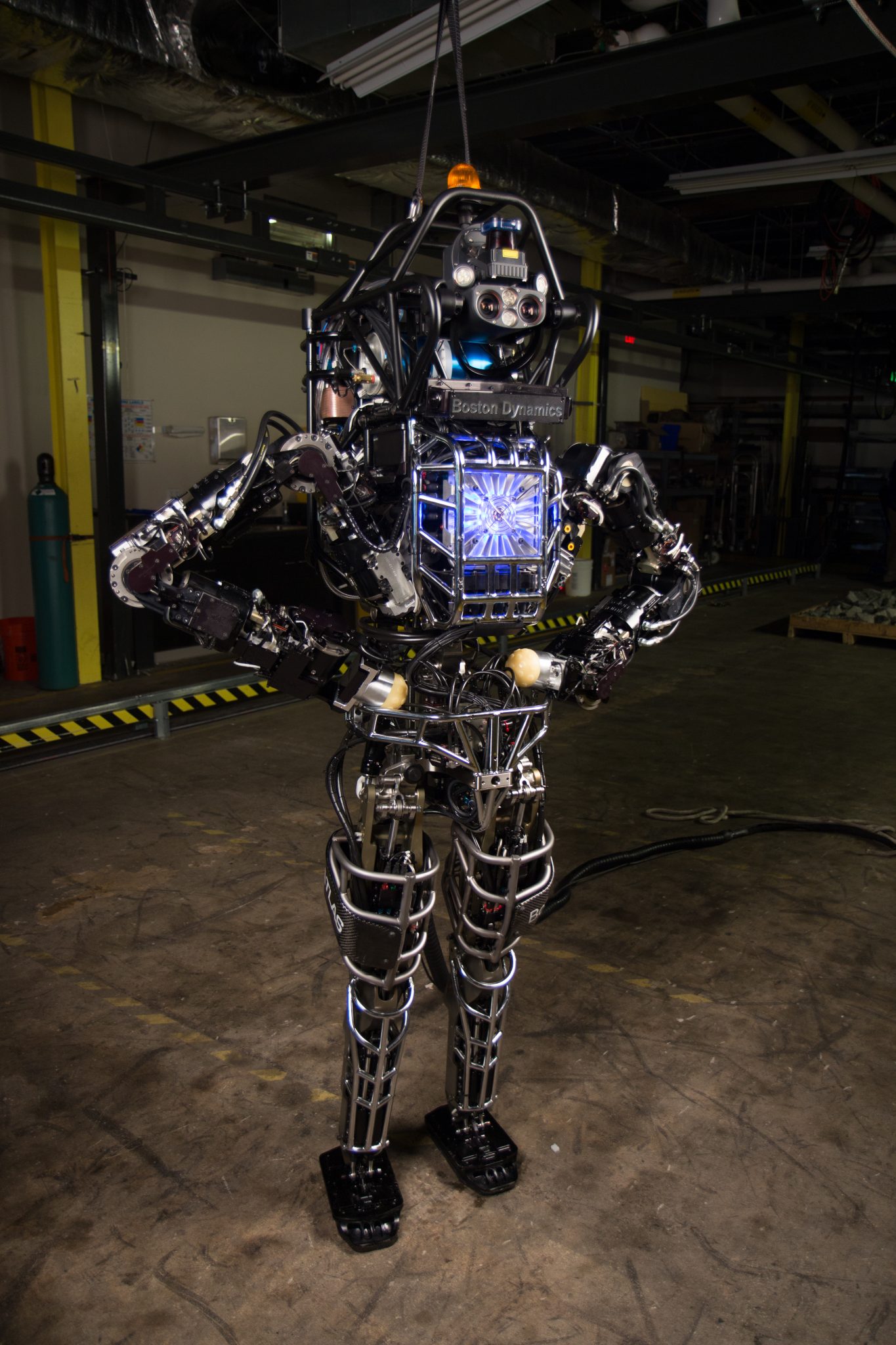
The convergence of AI, robotics, and industrial operations is accelerating. Boston Dynamics' new electric Atlas humanoid robot will soon join Hyundai's manufacturing operations, while companies like Figure are preparing full-time robotic workforces for BMW's factories.
In construction, autonomous drones, robot dogs, 360° cameras, and fixed-position monitoring systems are creating comprehensive visibility platforms that enable remote project management and predictive problem-solving. The most innovative firms aren't asking whether to automate—they're asking how quickly they can scale these technologies across their operations.
The message is clear: automation in construction and industrial operations has moved beyond proof of concept to proven performance. The companies investing in these technologies today aren't just improving their current operations but building the foundation for tomorrow's industry leadership.
The future of construction and industrial work isn't about replacing humans; it's about augmenting human capability while eliminating human risk. As these technologies continue to mature, the question isn't whether your organization will adopt automation, but whether you'll lead the transformation or be left behind.
Ready to learn how we can help improve project outcomes? Contact us today!