Seeing What Others Missed: Communication in a High-Risk Environment
Roger Boisjoly was a booster rocket engineer at NASA in Utah in 1986. Six months before the launch of The Challenger, Boisjoly and fellow engineers noticed a problem: the elastic seals at the joints of the rockets tended to stiffen and unseal in cold weather.
Boisjoly and his crew reported the problem to the NASA officials in charge of the launch, but project leaders decided to go ahead. Their decision to refute what they interpreted as one man’s opinion resulted in one of the most tragic disasters in aerospace history. As Boisjoly and his team feared, the rocket exploded shortly after launch.
Construction Communication is a Result of Physical and Psychological Safety
Boisjoly’s insight—and the failure of leadership to act on it—became a pivotal lesson in the importance of visibility, communication, and documentation in high-risk environments.
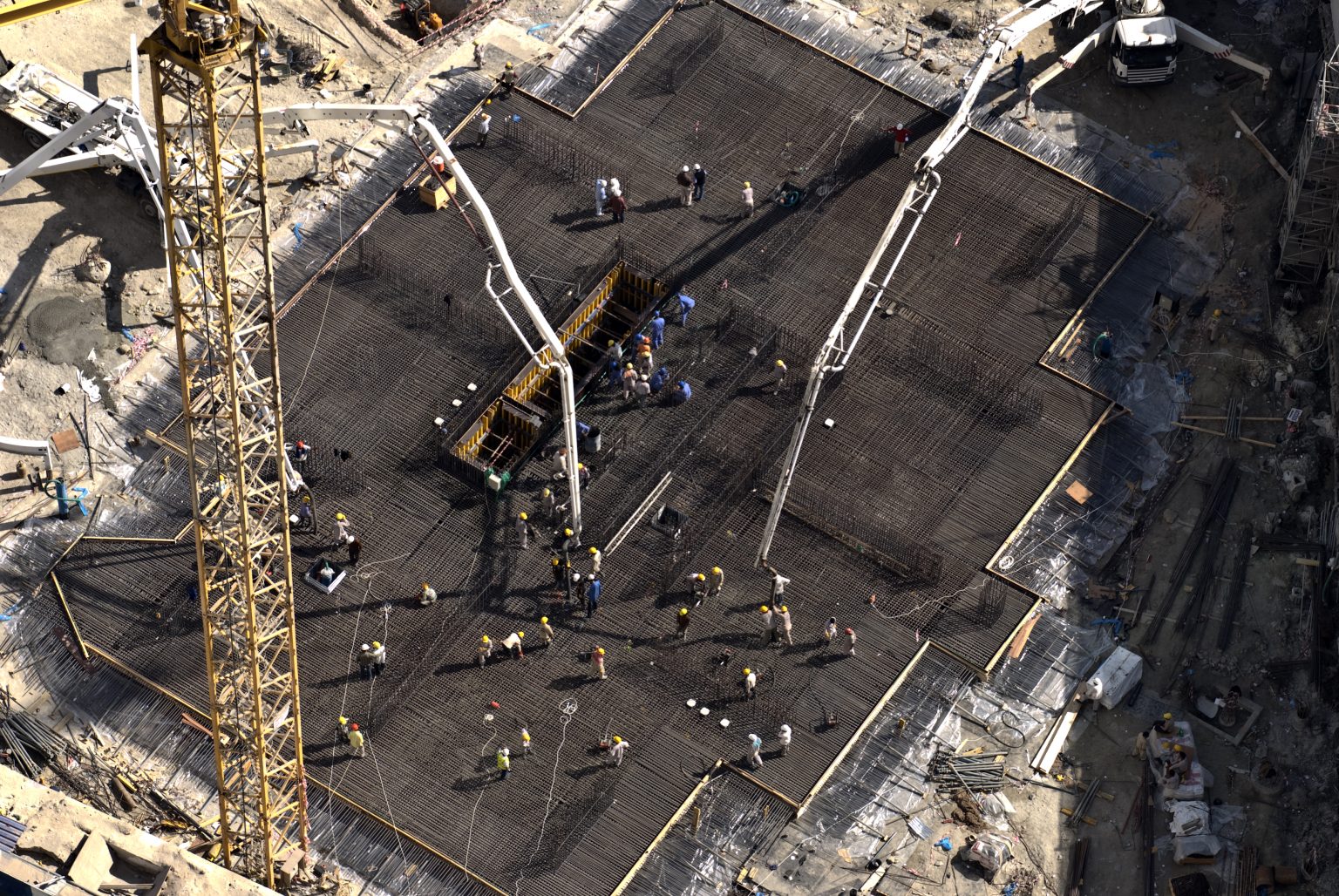
Like aerospace, the construction industry is full of dangers that can be mitigated through clear communication. But for workers to report potential physical hazards, a culture that encourages transparent communication must exist.
The first type of safety communication includes safety training, clear signage, high-visibility gear, wearable alert devices, and regular safety meetings to ensure everyone on site understands the risks.
The second aspect of job site communication concerns psychological safety—a company culture where workers feel safe speaking up about hazards or mistakes. Psychological safety is built through transparent leadership and a shared belief that evidence, not authority, determines the best course of action.
Construction may involve risks similar to aerospace, but unlike the 1980s, today’s technology allows us to see more, record more, and act faster than ever before. The question is: are we using technology to communicate effectively?

The State of Construction Safety: Four Insights
The numbers show that while construction safety has improved over the years, there is still significant room for progress:
- The construction industry accounts for 20% of all workplace fatalities
- 60% of serious injuries occur due to poor communication and lack of real-time visibility
- Delays and miscommunication cost the global construction industry $1.8 trillion annually, much of it tied to poor documentation and coordination
- An estimated 30% of construction firms have software that doesn’t integrate their visual data into a unified platform that would allow them to see and manage projects remotely
The statistics are clear: too much is left unseen. And what you can’t see, you cannot communicate. When communication fails, workers' lives, project schedules, and successful outcomes are all put at risk.

Visibility, Recording, and Collaboration in Construction
How do we improve as an industry? The answer lies in technology and a shift in values.
Values: A Cultural Shift Toward Transparency
At Evercam, we believe the construction industry is moving toward collaboration and accountability. We also believe that, for safety and economic reasons, all construction will be recorded. The belief that “all construction will be recorded” may sound extreme, but for companies that prioritize their workers’ well-being, it’s a logical step forward.
Today, our global society has come to value human life more than in centuries past. Workers’ rights and safety are a priority. Construction firms, on the whole, realize that it is morally, ethically, and financially unwise to allow people to work in an unsafe environment. As industry awareness around the relationship between communication and safety grows, the safest construction companies are eager to adapt new technologies that help teams communicate quickly, accurately, and in real time. Companies that don’t adopt new tools may find themselves falling behind.
Technology: The Tools for a Safer Future
Technology is transforming how construction teams see, record, and collaborate, providing visibility that ensures teams can leave off reacting to problems in favor of preventing them altogether. Evercam is at the forefront of this transformation, offering a single source of truth—inarguable evidence— that is accessible to all.
Here’s how construction companies use Evercam to save time, money, and lives:
- Incident Documentation: When something goes wrong, having video evidence ensures clarity, accountability, and fair resolution.
- Real-Time Oversight: Live monitoring eliminates guesswork, helping teams catch hazards before they escalate.
- Collaboration Beyond the Jobsite: Remote access means stakeholders, safety officers, and project managers can make decisions together, even from different locations.
- AI-Powered Insights: Smart analytics transform raw footage into actionable safety data, preventing issues before they arise.

Using the Right Technology Increases Communication
Construction safety isn’t just about seeing hazards—it’s about verifying that what is seen gets communicated, understood, and acted upon. This action takes place in an environment where communication is welcome and transparency is encouraged.
A perfect example comes from the PM Group, where site managers used real-time construction updates via Evercam to improve communication and coordination during fire alarm testing. David Harrison, a PM Group representative, shared how Evercam’s construction monitoring platform allowed him to overlay the most current site layout onto planned testing zones. This meant workers received precise, up-to-date information, preventing confusion and ensuring everyone on site was aware of the impact before testing began. Because of this accurate, real-time data, the notification process was streamlined, and disruptions were minimized.
Technology alone won’t fix communication gaps, but it is a crucial tool for companies that already foster an atmosphere of transparency among their people. Leaning into an overall culture of safety while utilizing construction technology to communicate will create a future that is more efficient—and safer for everyone.
Get in touch and let us know how visibility can help your team!