
The Scale of the Problem
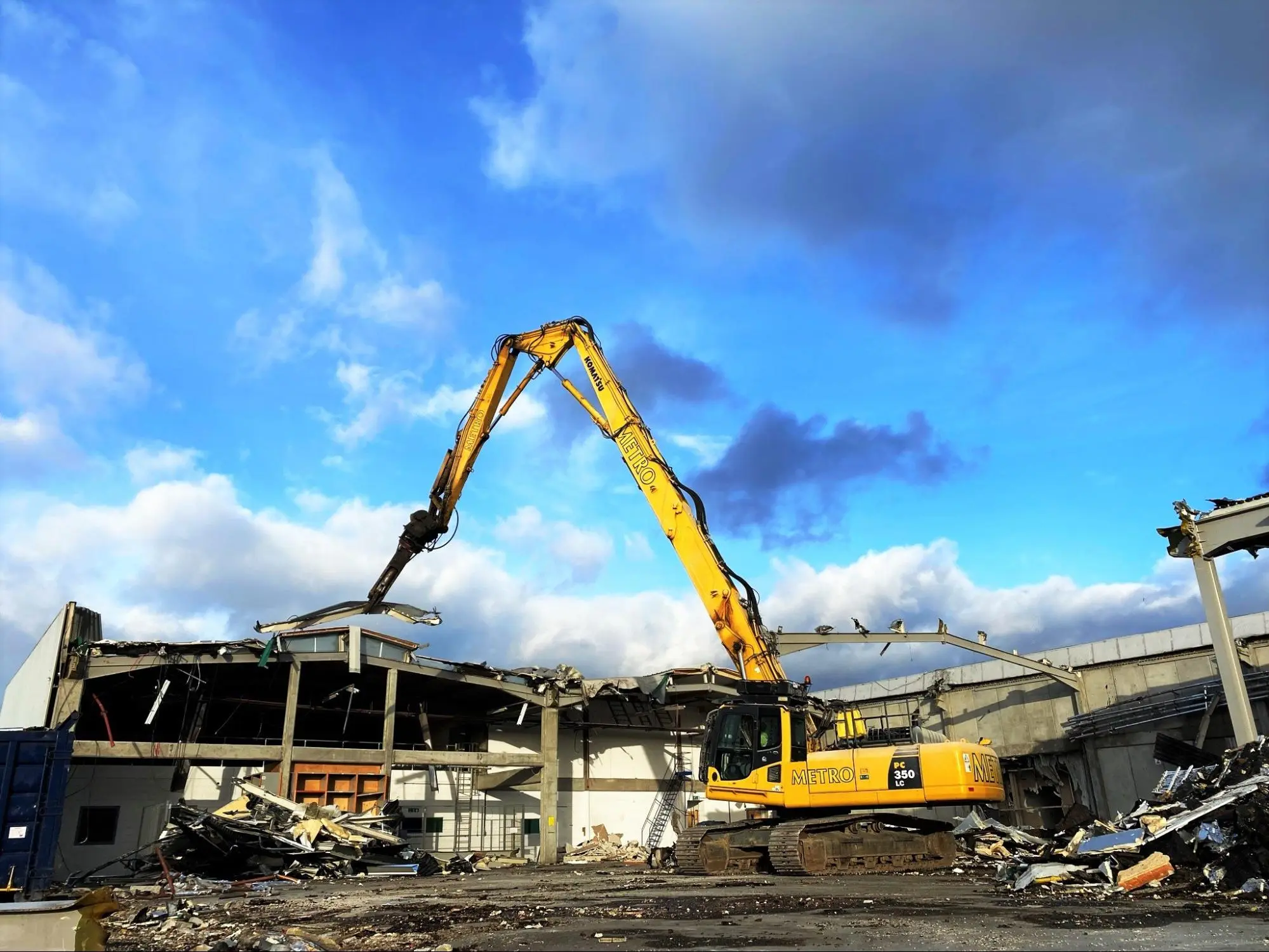
The global construction industry accounts for one-third of all landfill waste. In the United States alone, construction and demolition generated nearly 600 million tons of debris in 2018. Most of this came from demolition, with about 455 million tons going to next use, while 145 million tons went to landfills. Even with so many tons being reused, construction industry sustainability studies show that material recycling is not a sufficient solution to minimizing material waste in the industry. The buildings sector accounts for 39% of energy-related CO? emissions globally, with 11% coming from materials and construction.
Building to Protect the Future
Sustainable construction is simple in aim: build and operate without compromising the future. In practice, it's about wasting less, reducing overall energy use, and building more efficient practices into daily site operations. This is what certifications like LEED and BREEAM are about. So what is the solution? It's simple, but not easy: the industry must change the way it approaches the day-to-day process. And using cameras is the best place to start.
How Cameras Make Sustainability Practical
Cut Travel, Cut Emissions
Mounted to helmets or construction robots, 360 cameras create detailed recordings of site walks that provide information normally fetched in person. Easily shared, these recordings, combined with live feed and scheduled updates, reduce site visits by anywhere from 15-50 percent. Major contractors like Skanska report saving over 200 site visits per year on large projects, translating to 15-20 tons of CO? emissions avoided annually. Fewer trips mean a reduction in CO? emissions, less noise, and reduced congestion. For every site visit saved, teams are also increasing their safety rating by not exposing personnel to the dangers inherent to construction sites.
Consolidate Deliveries and Manage Idle Time
With tools like Evercam's Gate Report, your team can track entry/exit times and throughput. You can smooth peaks, prevent queues, and limit idling. With better visibility, your project managers have more control over the efficient movement of site traffic. This approach typically reduces delivery-related delays by 25-30%.
Verify "Lights Out" and Plan Compliance
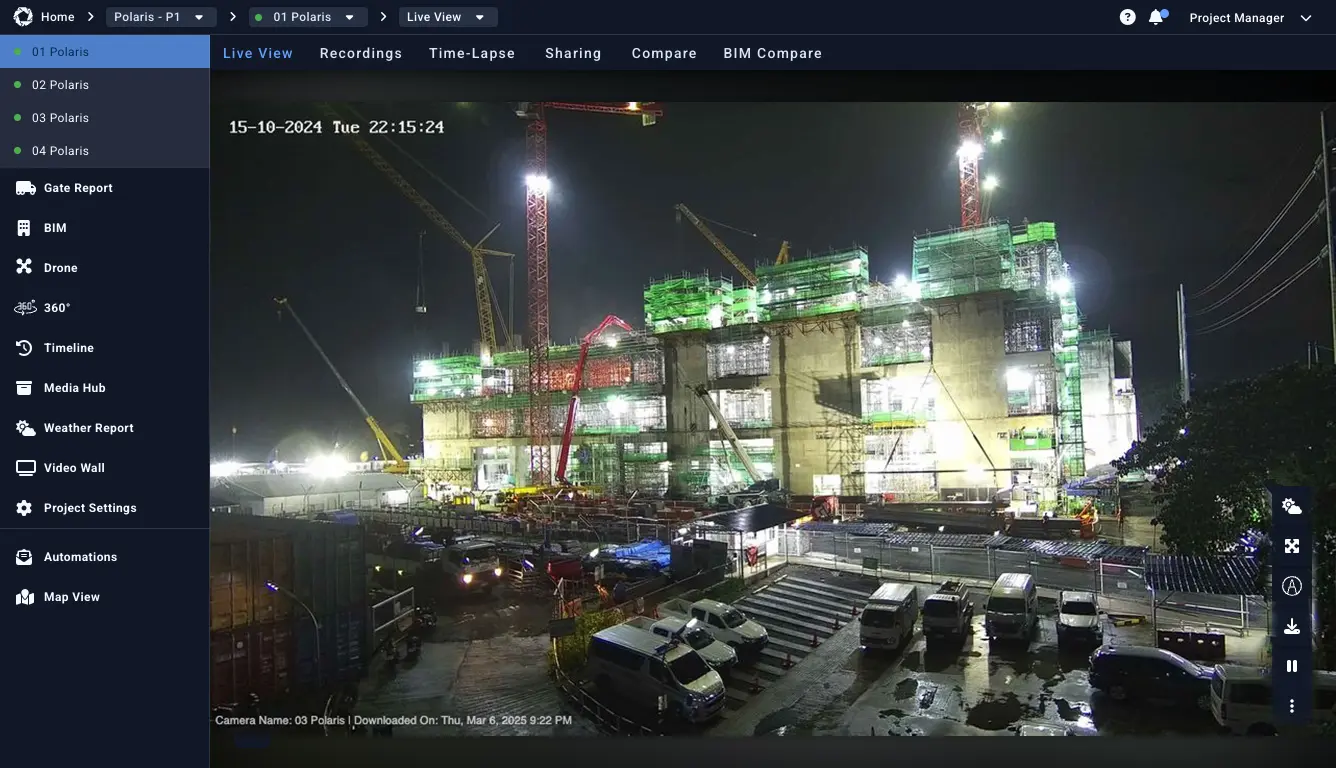
Not all construction visibility tools record 24/7, and fewer still keep those recordings for any length of time. With comprehensive monitoring, however, you have access to uninterrupted recordings of your construction site from sunup to sundown. This complete, time-based record helps ensure lighting, equipment, and generators are off after hours. It also documents adherence to waste-management plans, providing the evidence needed for green building certifications.
Build to the Plan with BIM + Cameras
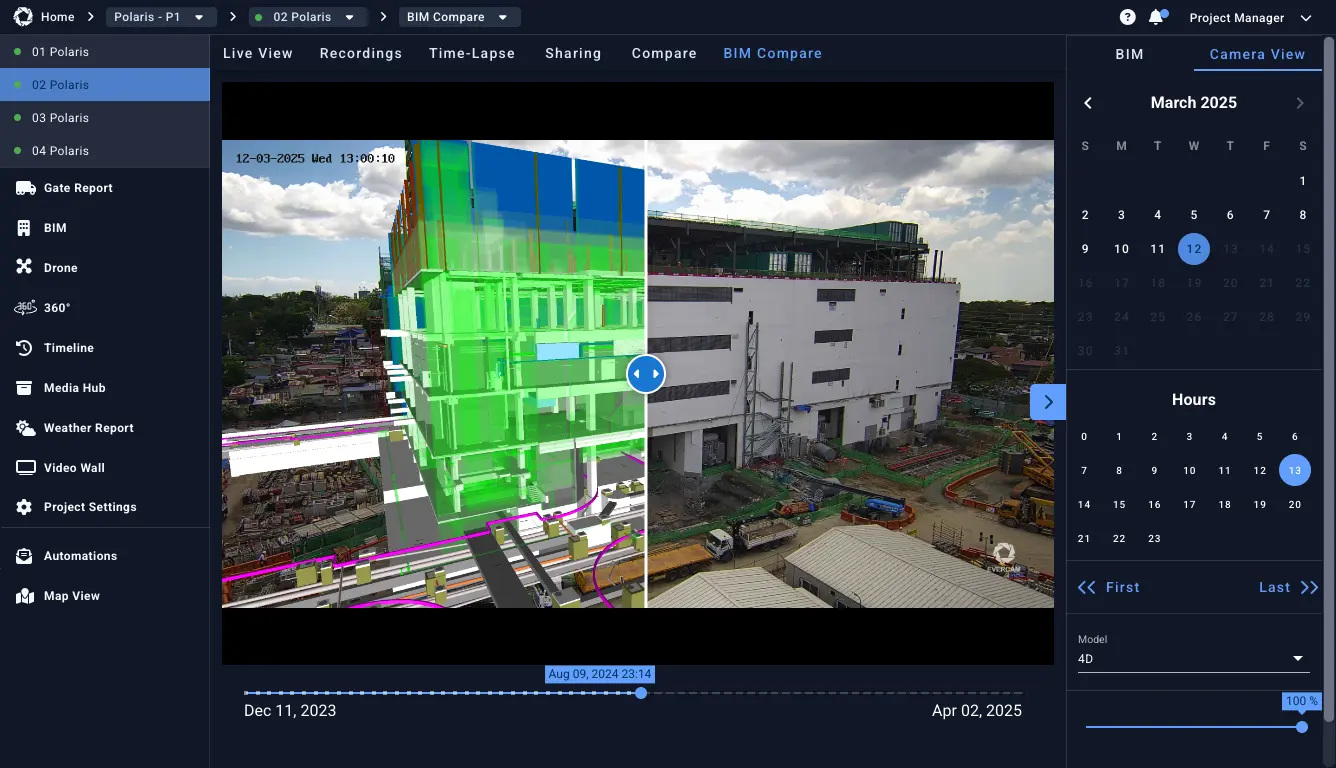
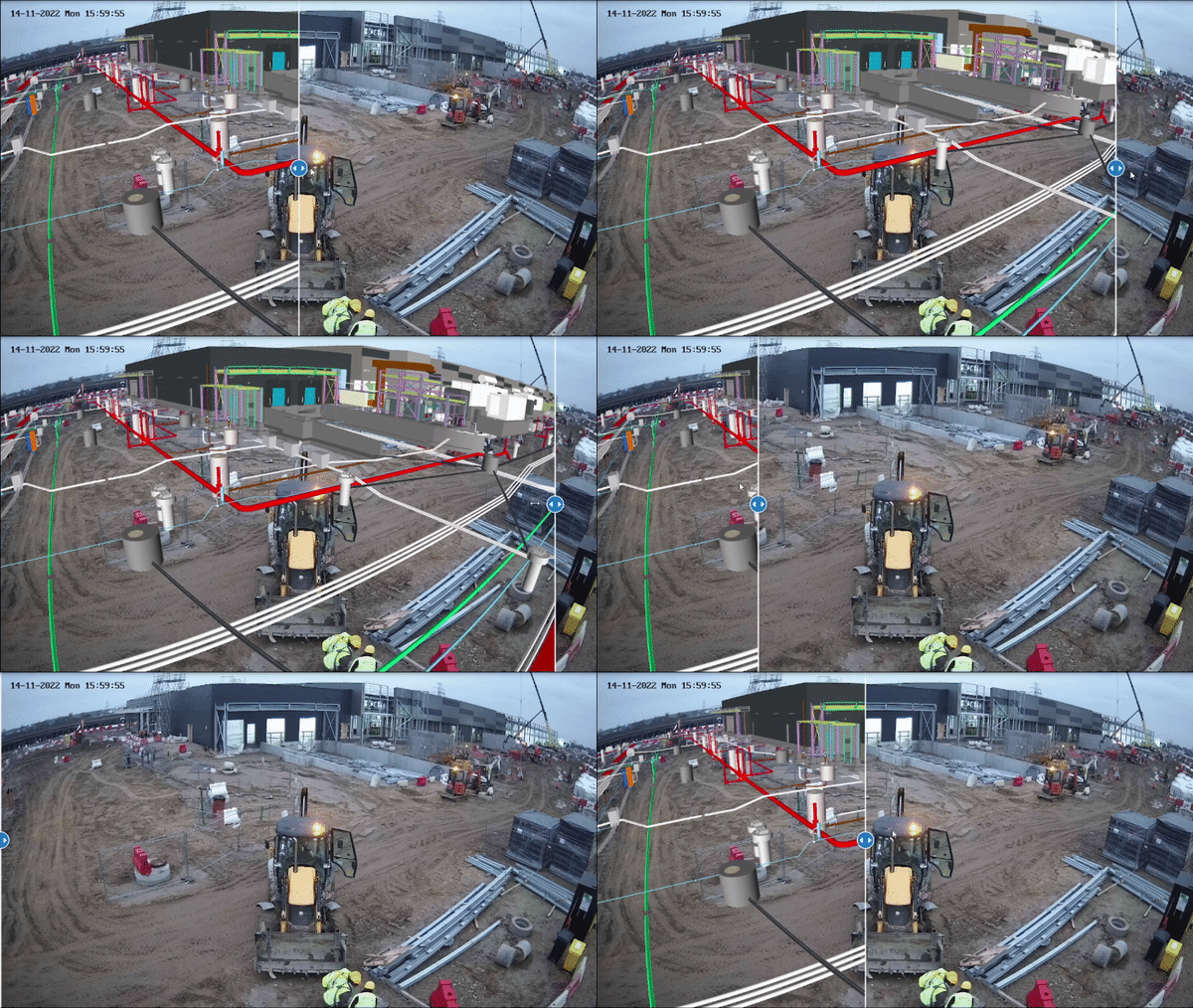
Rework and delays are baked into construction planning and budgets, but with increasingly sophisticated tools, this is changing. When you can consistently compare your model to reality, your team will spot clashes early and identify prefabrication candidates. Turner Construction reported reducing material over-ordering by 12% and rework by 18% on projects using integrated BIM-camera monitoring. Less rework. Less over-ordering. Less waste.
Use Renewable Power Where It Fits
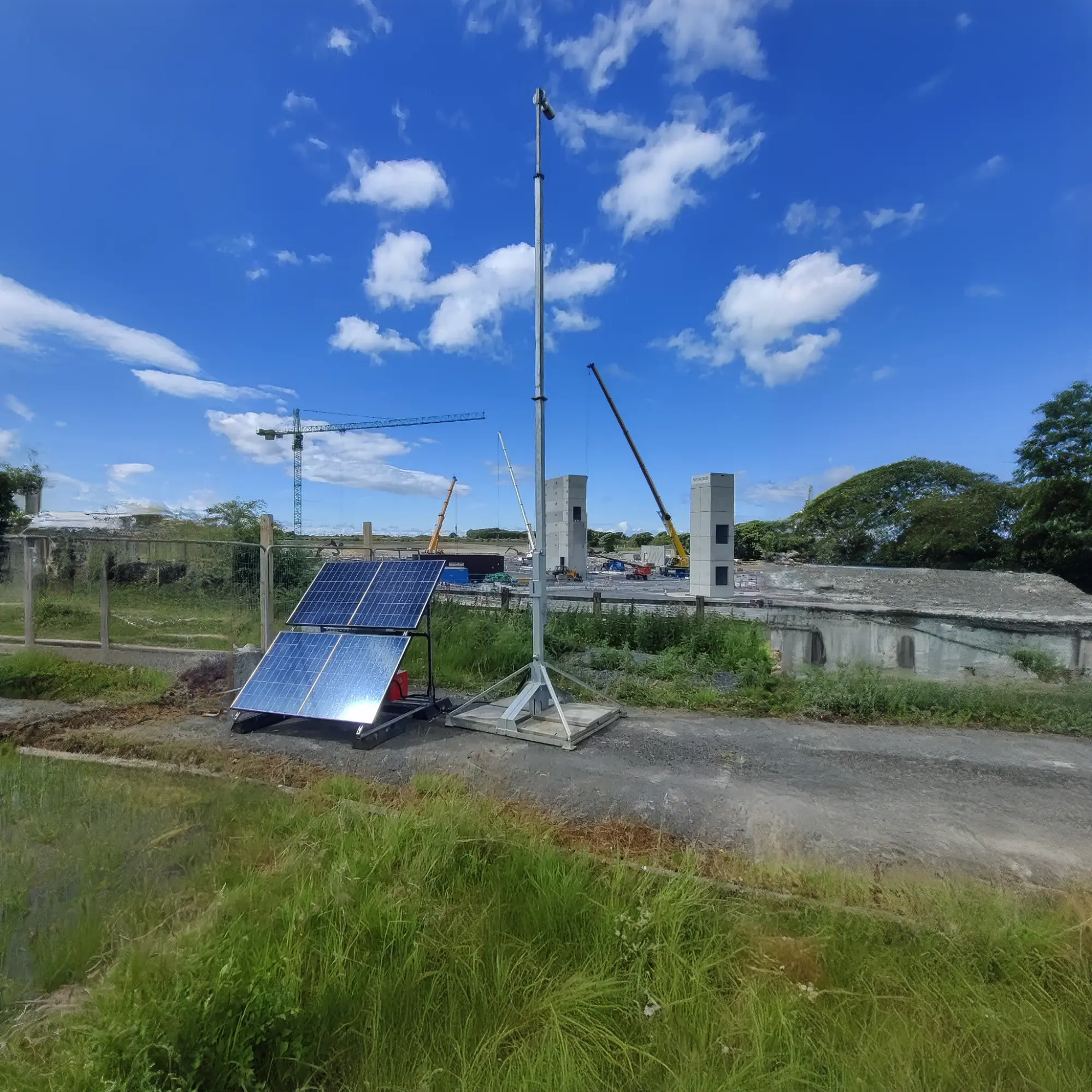
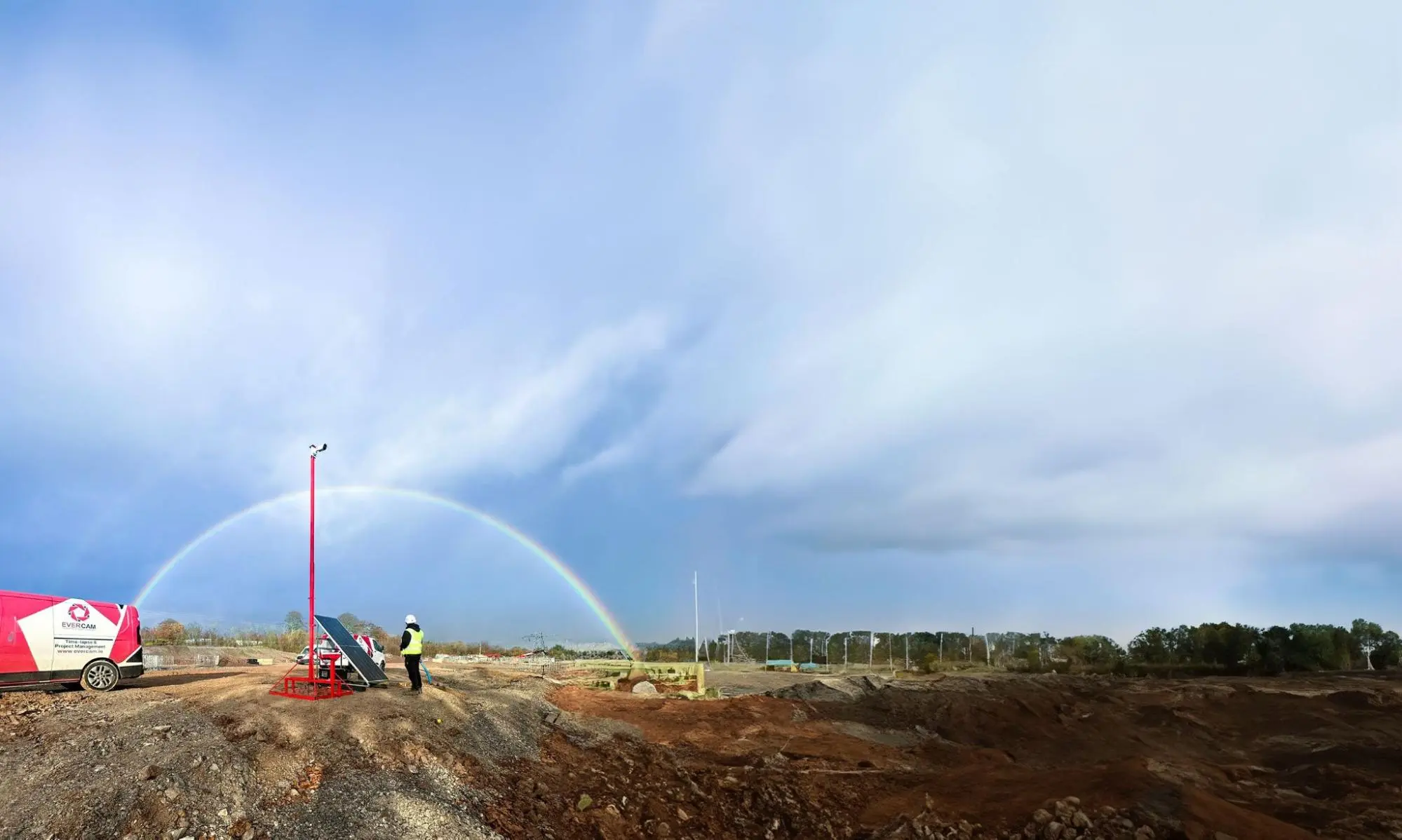
Solar camera options reduce reliance on temporary cabling or generator power. These systems are particularly effective for perimeter monitoring, gate access points, and remote areas where running power lines is costly or impractical. Modern solar camera setups can operate continuously for weeks without direct sunlight, and they eliminate the noise, emissions, and fuel costs associated with diesel generators. For projects pursuing LEED points or other green certifications, solar-powered site monitoring directly contributes to renewable energy credits while reducing the overall carbon footprint of construction operations.
Quick Wins You Can Do This Month
- Enable weekly Snapmail for all key stakeholders
- Turn on Gate Report at active access points
- Add a "lights-out" audit: review overnight frames 2�/week
- Align a BIM overlay review with the look-ahead meeting
- Pilot one solar-powered camera on a high-value vantage point
Why This Works
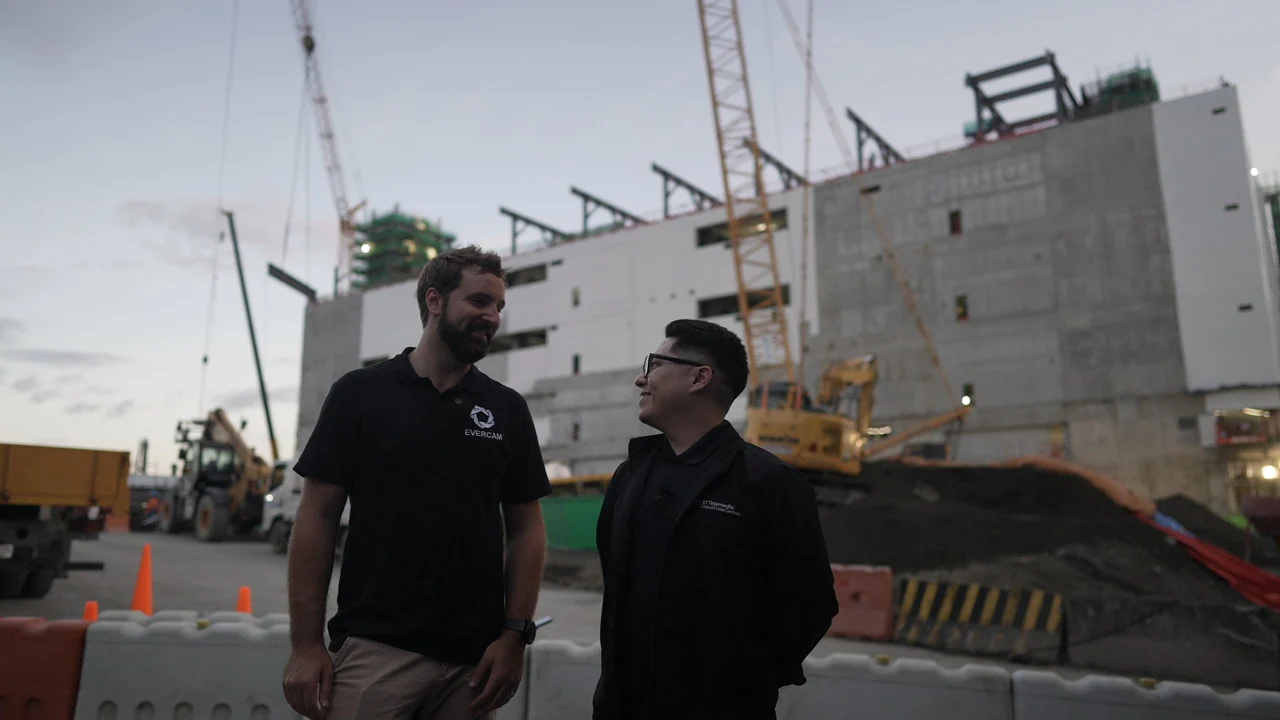
Reality capture turns sustainability from policy into measurable action. It gives teams evidence to tighten logistics, reduce waste, and prove performance�without slowing work. The power lies in objective documentation. When teams can see exactly when materials arrive, how they're handled, and where waste accumulates, they make data-driven decisions instead of guessing. This visual accountability naturally drives more efficient practices across the site. The ROI extends beyond environmental benefits. Reduced site visits save $500-2,000 per avoided trip, while material waste reduction of just 5-10% often pays for the camera system within months. Best of all, it integrates with existing workflows�no new software to learn, just better data for the decisions you're already making. Ready to get started? The most successful implementations begin with a single camera placement and expand based on proven results.