
Project Background
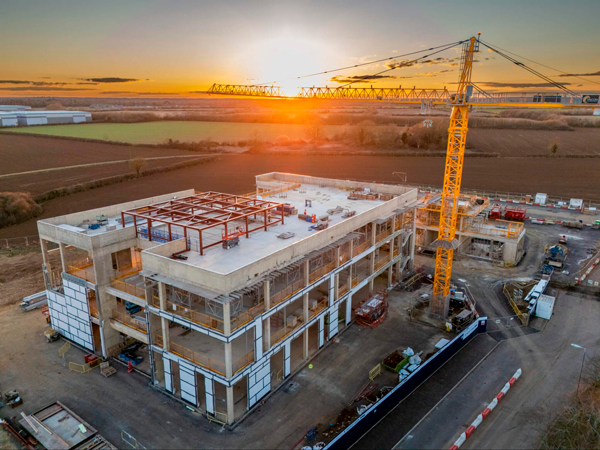
The DUB10 project is a large-scale data centre development located in Dublin, within Ireland’s largest data centre cluster. During the construction phase, Evercam supported the project team by providing reality capture technology to improve site visibility, coordination, and decision-making.
Designed as a high-capacity, two-storey facility, the project supports scalable digital infrastructure with strong connectivity to Ireland, the UK, and Europe.
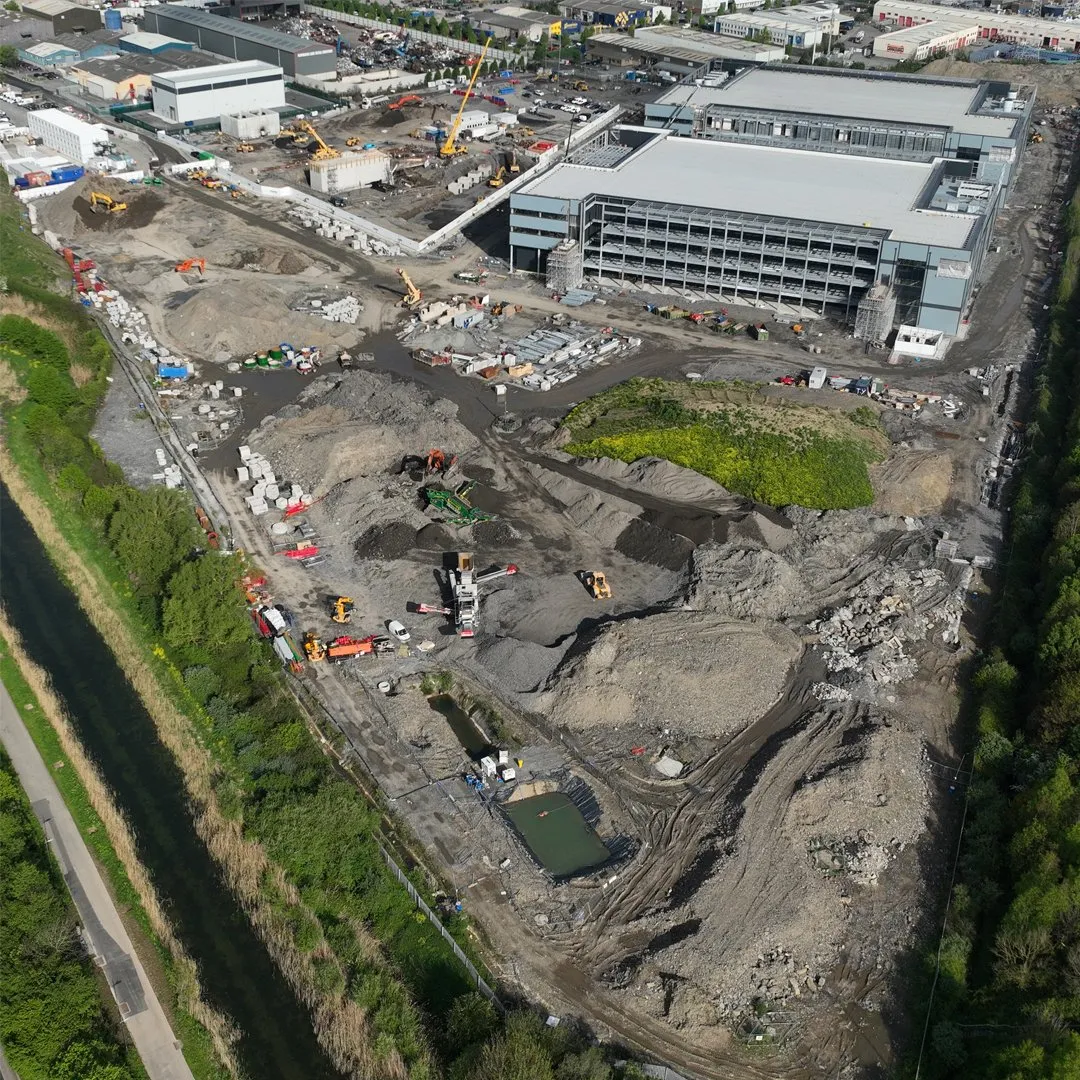
The development spans a 35-acre site and is strategically positioned near key transport routes. Due to its scale and complexity, the project required clear visibility, accurate progress tracking, and strong coordination throughout the construction phase.
Why This Project Required a Different Approach
Data centre construction projects of this scale face increased risks related to rework, coordination gaps, and environmental impact. Rework affects both project timelines and costs, while also contributing to unnecessary material waste and emissions.
For the DUB10 project, the objective was to improve operational efficiency while supporting sustainability goals. This required reliable, real-time site data and better alignment between planning and on-site execution.
Key Challenges on Site
The primary challenge was minimizing rework caused by incomplete information, delayed communication, or discrepancies between design intent and construction progress.
With multiple stakeholders involved and a fast-moving construction schedule, the project team needed consistent visibility into site activity and a dependable visual record to support informed decision-making.
How Reality Capture Supported the DUB10 Project
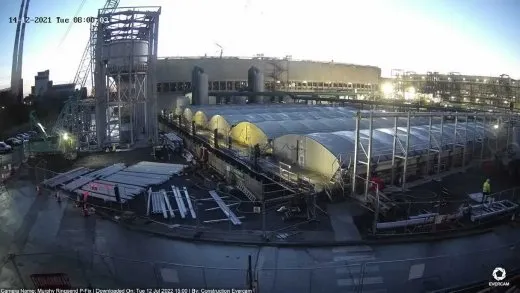
Evercam supported the DUB10 project through reality capture solutions designed to improve visibility, coordination, and decision-making across the construction site. Tools such as Live View and Recordings enabled teams to monitor progress remotely and respond to issues without being physically present on site.
By centralising visual data, project teams were able to review site conditions, verify completed work, and identify potential issues earlier in the construction process.
Improving Visibility and Decision-Making
Remote Site Access and Communication
Live access to site cameras allowed teams to review site conditions in real time, improving communication between stakeholders and reducing the need for frequent site visits. This supported faster decision-making and improved alignment across the project team.
Continuous Visual Documentation
With full-frame-rate, 24/7 recording, the project team maintained a complete visual record of site activity. This visual timeline supported incident review, dispute resolution, and clearer communication around progress and site events.
Supporting Safety, Logistics, and Planning
Reality capture data supported additional operational needs beyond progress tracking, including safety reviews, logistics coordination, and planning accuracy.
Gate Reporting and Traffic Control
Gate reporting tools supported vehicle tracking and traffic management on site. This helped reduce logistical inefficiencies, avoid disputes, and limit unnecessary vehicle movements associated with construction activity.
Planning Accuracy with 4D BIM and Drone View
Visual planning tools such as 4D BIM comparisons and drone-based site views allowed teams to compare planned versus actual progress. These tools supported more accurate planning, remote measurements, and improved coordination between design and construction teams.

Outcomes for the Project Team
The use of reality capture technology contributed to a reduction in rework and improved coordination on the DUB10 project. Remote decision-making reduced the need for site visits, helping limit idle machinery time and supporting environmental planning commitments.
The project demonstrates how visual data can play a practical role in improving efficiency and sustainability on mission-critical construction projects.
Project Progress Documentation
To document progress and support stakeholder communication, professionally edited time-lapse videos were produced throughout the project. These videos condensed months of construction activity into clear visual summaries, supporting both internal reviews and external communication.
Why This Matters for Data Center Construction
The DUB10 project highlights the role of reality capture in supporting modern data centre construction. By improving visibility, accuracy, and collaboration, digital construction tools help teams manage complexity while meeting operational and environmental goals.
This approach provides a reference point for future large-scale data centre developments facing similar challenges.
Download this Case Study